How to Secure Your Home Before Vacation — A Law Enforcement Perspective
Most home security while traveling advice reads like a generic checklist written by someone who has never actually watched how residential burglaries happen. Lock your doors. Tell a neighbor. Get a timer.
That advice isn’t wrong. It’s just incomplete.
As a retired NYPD officer who spent years working plainclothes and uniformed in some of the highest-crime tourist environments in the country, I’ve seen how opportunistic crime operates up close. Burglars are not masterminds. They are opportunists — and they are very good at reading the signals that tell them a home is empty, unmonitored, and easy.
This guide gives you the same home security while traveling briefing I’d give a colleague before they left for a two-week cruise. Not a generic checklist — a practical, law enforcement-informed plan for making your home the least attractive target on your street while you’re gone.
How Burglars Actually Choose a Target
Understanding the threat is the first step to good home security while traveling. Residential burglars — particularly the opportunistic type that target vacation-empty homes — are looking for three things:
Confirmation that no one is home. Piled-up mail, newspapers on the driveway, lights that never change, cars that never move. Any of these is a signal.
Easy access. Unlocked doors, unsecured windows, sliding doors that can be lifted off their tracks, garage doors that can be forced.
Low visibility. Homes where neighbors aren’t watching, where there are no cameras, and where any activity is unlikely to be noticed or reported.
Your job before you leave is to address all three. Here’s how.
Door Security — The Foundation of Home Safety While Traveling
Every exterior door should have a deadbolt — not just a standard door latch. A door latch can be defeated quickly. A quality deadbolt adds significant resistance and forces a burglar to make noise, take time, and risk being seen.
Before you leave:
- Confirm every exterior door is locked and deadbolted
- Lock the door from your garage into your house — this is one of the most commonly overlooked entry points
- Never leave a spare key outside. Under the mat, in a fake rock, above the door frame — burglars know every hiding spot. Leave a spare with a trusted neighbor or use a smart lock with a keypad instead
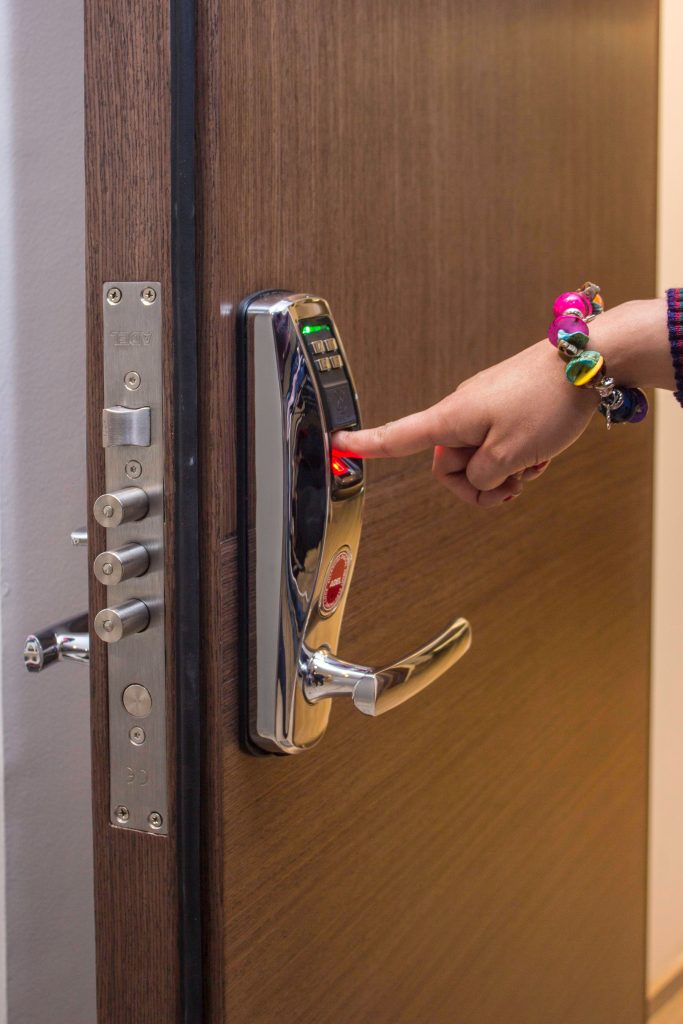
The Philips Wi-Fi Smart Lock eliminates the spare key problem entirely. Fingerprint access, PIN codes, app control, and auto-locking mean you can monitor and control your front door from anywhere — and you’ll know immediately if it’s been accessed while you’re gone. Currently $149.99 — $80 off the regular price.
Disclosure: This is a sponsored campaign link. I may earn a commission if you purchase through this link at no additional cost to you.
Windows and Sliding Doors — The Overlooked Entry Points
Windows and sliding glass doors are the second most common entry point after doors — and the most commonly left unsecured.
Standard window latches provide almost no real security. For any ground-floor window, add an auxiliary lock or a cut-down wooden dowel in the track — simple, inexpensive, and effective.
Sliding glass doors present a specific vulnerability that most homeowners don’t know about: they can be lifted directly off their tracks from outside, bypassing the lock entirely. A sliding door security bar prevents this completely — it sits in the lower track and physically prevents the door from being opened or lifted regardless of whether the lock has been defeated.
The AceMining Sliding Door Security Bar adjusts from 20 to 50 inches, fits most standard sliding doors and windows, and installs in seconds. Heavy duty, non-slip, and works on both doors and windows.
Disclosure: This is a sponsored campaign link. I may earn a commission if you purchase through this link at no additional cost to you.
The Garage — The Entry Point People Forget
The garage is one of the most vulnerable entry points in any home — and one of the most overlooked.
Before you leave:
- Lock the door between your garage and your home — always, not just when traveling
- Disconnect your automatic garage door opener. A determined burglar can use a universal remote or code grabber to open most automatic openers
- Most garage doors come with a built-in clip lock or locking bar on the track — engage it before you leave. If your garage door is missing this hardware, a dedicated side lock adds the same protection
Garage Door Side Lock Deadlock — Shop on Amazon →
Make Your Home Look Occupied
An empty-looking home is an invitation. The goal is to make your home indistinguishable from an occupied one — even while you’re thousands of miles away.
Lights and electronics: Lights that are always on or always off are a dead giveaway. Attach timers to multiple lights on different floors and set them to turn on and off at varied times — not the same time every night. Do the same with a television or radio. The sound and light variation creates the impression of someone moving through the house.
The GHome Smart Plug connects to your home Wi-Fi and lets you control any lamp or device from your phone — set schedules, turn lights on and off remotely, and adjust the pattern anytime from anywhere. Works with Alexa and Google Home, no hub required.
Mail and newspapers: A pile of mail or newspapers on your driveway is one of the clearest signals that no one is home. Put a hold on your mail at USPS.com before you leave — it’s free and takes two minutes. Cancel any newspaper delivery or have a neighbor collect it daily.
Blinds and drapes: Leave some open. Completely closed blinds on every window looks unoccupied. During the day, partially open blinds give the impression someone is home. In the evening, interior lights are visible through partially open blinds — reinforcing the occupied appearance.
Apartment and condo residents: Put a radio on a timer set to play at low volume at varied times throughout the day. In a building where sound carries through walls and floors, the sound of a radio playing is a strong signal that someone is home.
Cameras and Visibility — Essential Home Security While Traveling
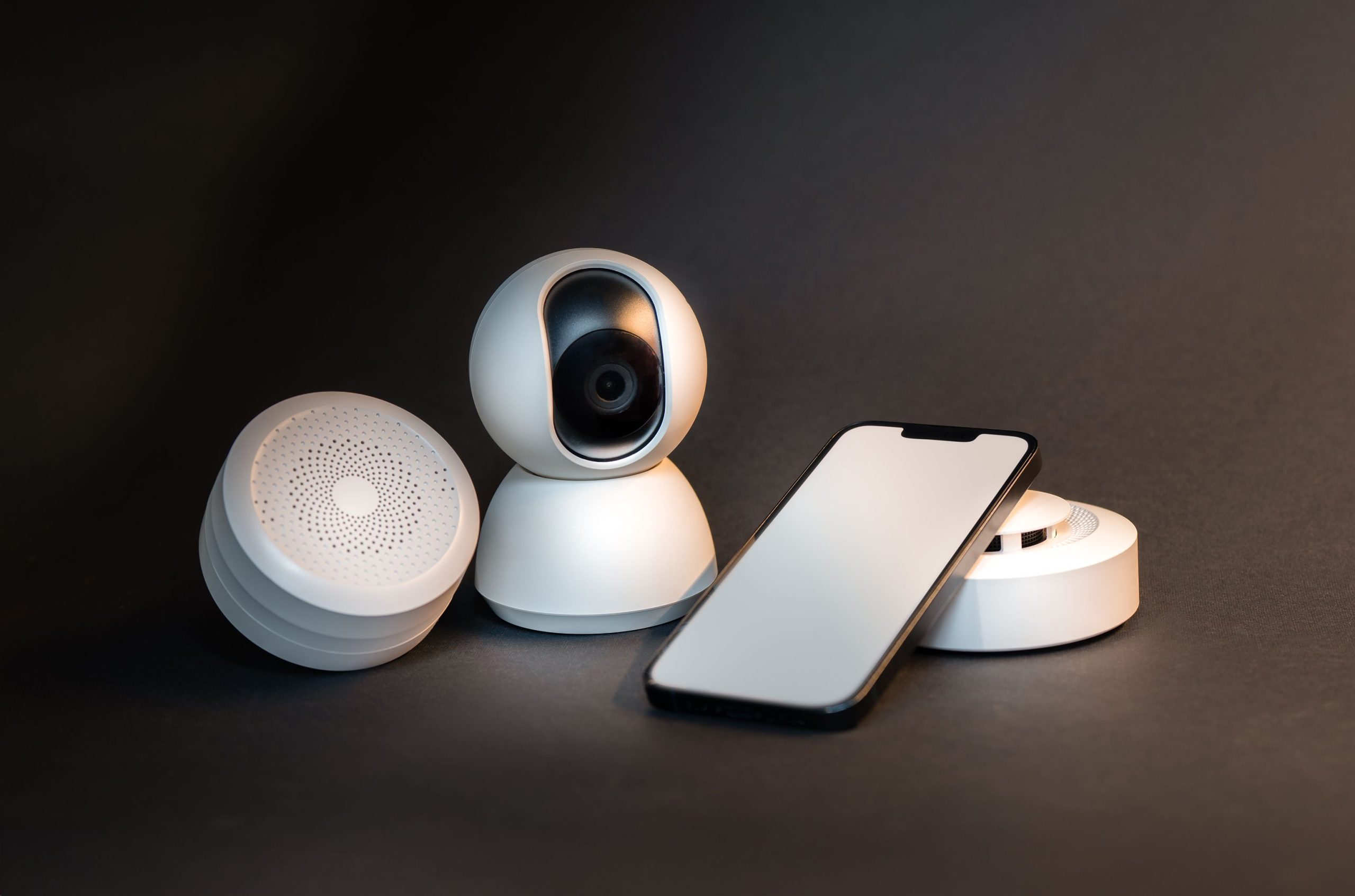
A visible security camera does two things: it deters opportunistic burglars who don’t want to be recorded, and it provides documentation if something does happen.
The Ring Battery Doorbell Plus with Indoor Cam covers both your front entrance and the interior of your home. Motion alerts go directly to your phone so you know immediately if anyone approaches your door while you’re away. No wiring required — battery powered and installs in minutes.
Position cameras visibly. The deterrent value of a camera that can be seen is significant. A hidden camera catches criminals — a visible camera stops them from approaching in the first place.
Home Security While Traveling — Tell the Right People and Nobody Else
Who to tell:
- A trusted neighbor or friend — ask them to periodically check your property and report anything unusual
- Your local police department — many departments offer a vacation watch program where an officer will drive by your home periodically while you’re away. Contact your local precinct’s non-emergency line before you leave, give them your travel dates and a contact number, and ask if this service is available. It costs nothing and takes five minutes. Most people have never heard of this program.
Who not to tell:
- Social media. This cannot be overstated. Posting vacation photos and updates in real time tells everyone in your network — and anyone who can see your profile — that your home is empty. Wait until you return to post anything. The photos will still be just as good when you’re home and your house is no longer unoccupied.
Home Security While Traveling — Complete Pre-Departure Checklist
- All exterior doors locked and deadbolted
- Door between garage and home locked
- Automatic garage door opener disconnected
- Garage door clip lock or side deadlock engaged
- All ground-floor windows locked with auxiliary locks or dowels in tracks
- Sliding doors secured with security bar
- Spare keys retrieved from outside hiding spots
- Light timers set on varied schedules on multiple floors
- TV or radio timer set for apartment/condo residents
- Mail hold placed at USPS.com
- Newspaper delivery canceled or neighbor assigned to collect
- Some blinds and drapes left partially open
- Trusted neighbor or friend informed of travel dates
- Local police non-emergency line contacted for vacation watch program
- Social media vacation posts scheduled for after you return
- Smart lock app confirmed working and notifications enabled
- Security camera notifications confirmed active on your phone
Travel safe. Travel smart. Enjoy every wave.
Important: Home security products, smart home technology, and local police programs vary by location and change over time. Verify current product compatibility and local program availability before your trip.
Planning a cruise and want to make sure you’re fully prepared before you board? Read 10 Cruise Port Safety Tips From a Retired NYPD Officer and visit the Planning & Packing section for more pre-trip guides.
This article contains affiliate links. If you purchase, book, or make a reservation through a link on this page, I may earn a small commission at no additional cost to you. Affiliate relationships include but are not limited to Amazon Associates, Viator, and other travel and product partners. This does not influence my recommendations — I only link to products, services, and experiences I would genuinely recommend to my own clients. See my full Disclaimer for details.
The information in this article is provided for general educational purposes only and reflects the personal experience and professional background of the author. It is not a substitute for professional security consultation or official government travel guidance. Safety conditions at any destination can change rapidly — always verify current advisories at travel.state.gov before your trip. Reliance on any information in this article is at your own risk. This site may contain affiliate links; see the full Disclaimer for details.