ATV Excursion Safety on Cruises: What to Know Before You Ride
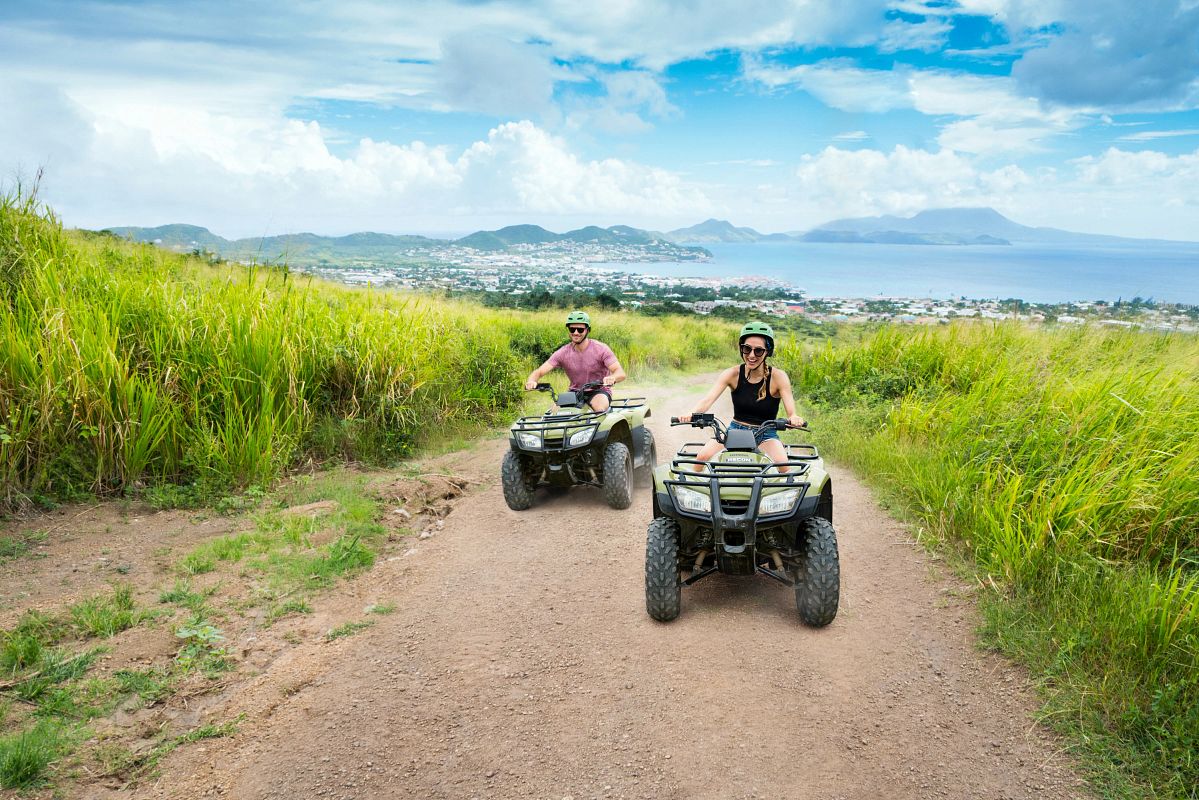
ATV excursions are one of the most popular shore excursions in the Caribbean, and it’s not hard to see why — they’re fast, a little dirty, and they get you off the beaten tourist path into terrain most passengers never see. But ATV excursion safety on cruises isn’t something most people think about until they’re already bouncing down a dirt trail in a country where 911 doesn’t exist and the nearest hospital might be an hour away. As a cruise safety expert, I want to walk you through what’s actually required, what the tour operators won’t necessarily tell you, and what to do before you ever climb on the vehicle.
What’s Actually Required for ATV Excursion Safety on Cruises
Every operator I’ve researched has some version of the same baseline rules, and they’re non-negotiable:
- Closed-toe shoes — sandals and flip-flops are barred outright, no exceptions
- A valid driver’s license to operate the vehicle
- Weight limits — commonly 280–360 lbs depending on whether you’re riding solo or with a passenger
- Helmets — provided by the operator, mandatory at all times
- Medical exclusions — pregnancy, back or neck injuries, high blood pressure, heart conditions, and seizure disorders are consistently listed across operators as reasons you shouldn’t ride

Insider Tip: If you’ve never ridden an ATV before, rent one locally before your cruise and get a feel for it. An ATV excursion isn’t the place to figure out how to operate the vehicle for the first time — you’re in another country, and a mistake that would just be embarrassing at home can turn into a real injury somewhere your regular health coverage doesn’t apply.
ATV Excursion Safety Starts With the Operator
This is where the cruise safety expert perspective matters most, and it’s the part most travel blogs skip entirely.
There are two booking methods I’d generally recommend: through your cruise line directly, or independently through a reputable platform like Viator that vets its operators before you ever set foot in port. Ship-sponsored excursions cost more, but they generally go through the cruise line’s vetting process, which typically includes reviews of operator qualifications, insurance, and safety standards. Booking ahead through a reputable platform gives you a similar layer of screening before you ever arrive in port — and even if you ultimately book elsewhere, comparing vetted operators in advance makes it much easier to spot the questionable ones waiting on the pier.
Avoid Roadside and Dockside Operators
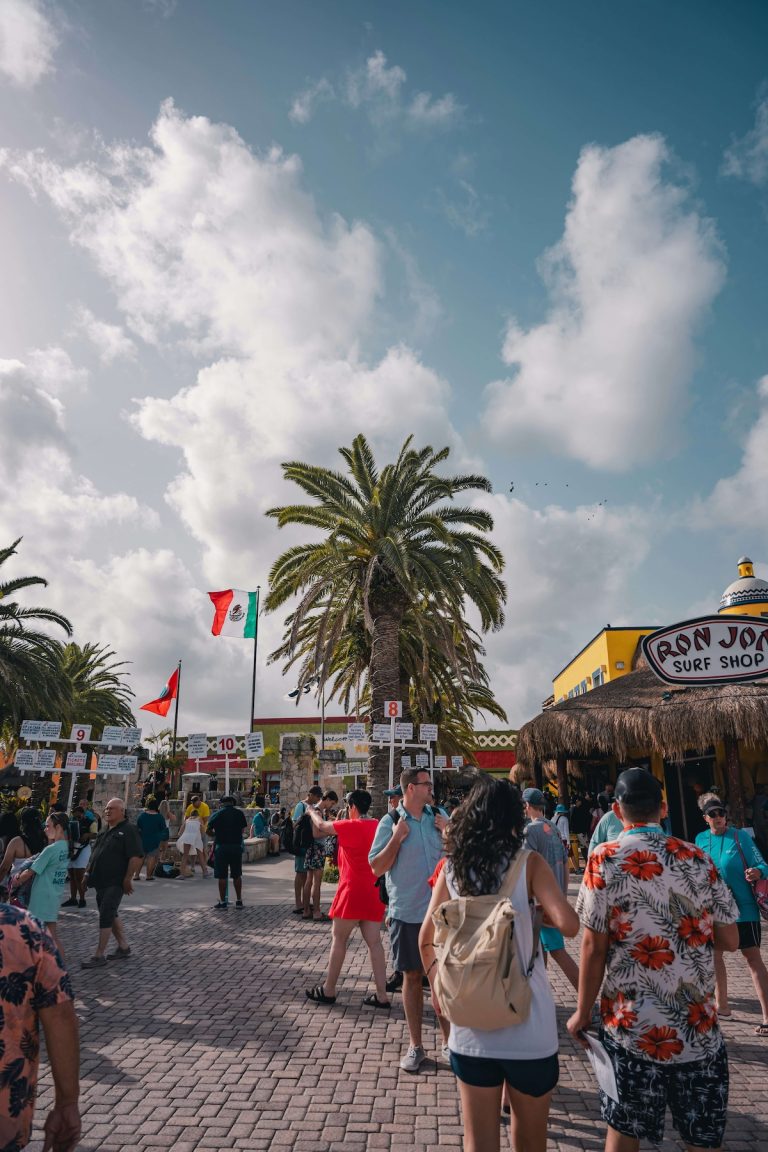
What you want to avoid is booking with whoever’s standing at the port entrance waving a sign or approaching you aggressively as you walk off the ship. These operators aren’t vetted by anyone. There’s no insurance verification, no maintenance record, no accountability if something goes wrong — and unfortunately, this is exactly where scams and unsafe equipment concentrate. If a deal seems too good, or someone’s pressuring you to book on the spot, that’s a signal to walk away, not a bargain to take advantage of. This one decision does more for your safety than almost anything else on this list.
Insider Tip: Before you get on the ATV, take a few pictures of it — front, back, both sides. Scrapes, dents, and mud are normal wear and tear on a vehicle that gets used every day, but you don’t want to be on the hook for damage that was already there before you climbed on.
On the Trail: Group Safety, Valuables, and Insurance
A few other things worth building into your plan:
- Stay within your guide’s sightline. Groups spread out on the trail more than people expect, and getting separated in remote terrain is a real risk, not a hypothetical one.
- Securing your valuables takes real thought. You can’t wear a normal money belt or carry a bag while operating a vehicle, and some operators ban cameras outright for safety reasons. A zippered pocket for your phone, ID, and a small amount of cash is usually your best option — leave the rest on the ship.
- Travel insurance is worth a hard look here. This isn’t the general “it’s a good idea” framing — ATV excursions carry real injury risk, and you’re doing it in a country where your regular health insurance likely doesn’t apply at all. I go deeper on this in Do You Really Need Travel Insurance for a Cruise?
Most cruisers never think about where the nearest trauma center is until they need one — and in a lot of popular cruise destinations, that care isn’t spread evenly across the country. The CDC’s own travel health guidance for Jamaica states plainly that trauma care centers are uncommon outside urban areas, and that if you’re seriously injured, emergency care may not meet U.S. standards. The Dominican Republic follows a similar pattern — quality trauma care is concentrated in Santo Domingo, Santiago, Puerto Plata, and La Romana, and drops off fast outside those zones. ATV excursions often run inland, away from the cruise port and away from that concentrated care.
Know Before You Book: Medical Care Isn’t Everywhere
That’s a bigger topic than I can do justice to here — I break it down port-by-port in my Port Guides, and it’s built directly into the Destination Safety Blueprint and Full Cruise Blueprint if you want something built around your actual itinerary. You can also reach out directly through Work With Rick if you’d rather talk it through.
What to Wear on an ATV Excursion
Beyond the required closed-toe shoes, a few things make a real difference:
- Closed-toe shoes with real grip and a reinforced toe. Loose gravel and mixed terrain will find any weak point in your footwear. I like these Adidas Terrex shoes for that reason — just keep in mind most hiking shoes in this category are water-resistant, not waterproof, so they’re better suited to a dry, dusty trail than a rain-soaked one.
- Long pants, even in the heat. They’re not just for sun protection — they protect against debris and brush on the trail. Shorts leave your legs exposed to scrapes and stings you won’t feel until later.
- Something to cover your nose and mouth. Dust on these tours is often worse than people expect, especially in dry conditions. A bandana works in a pinch, but a neck gaiter stays in place once you’re actually moving, which a folded bandana usually doesn’t.
- Gloves, if you have them. They help with control and cut down on hand fatigue on longer tours, and a decent pair of riding gloves is cheap insurance against blisters and scrapes if you put a hand down.
The right clothing won’t prevent every injury, but it’s one of the few things you completely control before the tour even starts.
Comfort Tips Nobody Tells You
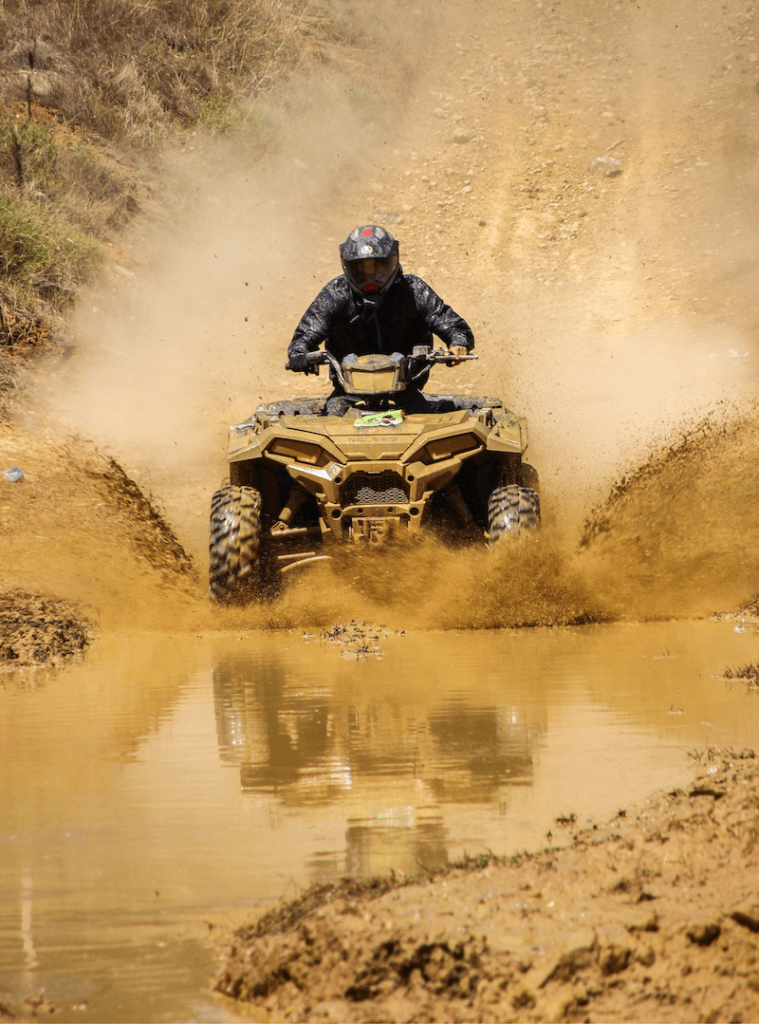
Here’s the honest part most tour descriptions leave out: you are going to get dirty. Not “a little dusty” dirty — genuinely, thoroughly dirty. In dry conditions it’s dust everywhere; if it’s rained recently, expect mud. Wear clothes you don’t mind ruining, and don’t bring anything you’d be upset to throw away afterward. Bring water if your operator doesn’t provide it, and pace yourself — riding an unfamiliar vehicle over rough terrain in Caribbean heat is more physically demanding than it looks. It’s also one of the more memorable shore excursions you can book, and a little preparation goes a long way toward making sure the only thing you bring back is a good story.
After the Tour
Most operators have a rinse station or hose for you and the vehicle before you head back. Bag your ruined clothes and shoes separately from the rest of your luggage — a plastic bag or dry bag works well — so mud and dust don’t end up in everything else you packed.
Once you’re back on the ship, you’ve got a few options for the clothes themselves. If you’ve got a higher loyalty tier or a suite category that includes free laundry, that’s the easy route — hand it off and let the ship deal with it. Otherwise, a quick hand-wash in the stateroom sink with a travel-size packet of detergent gets the worst of the mud and salt out before it sets in, even if it’s not a full clean. Either way, plan on a real wash once you’re home — dust and trail dirt tend to hide in seams and shoe treads longer than you’d expect. ATV excursion safety on cruises doesn’t end when the engine shuts off. Taking a few minutes to clean up afterward protects the rest of your luggage and makes the trip home a lot more pleasant.
For more on protecting yourself on excursion days, check out 10 Cruise Port Safety Tips From a Retired NYPD Officer and Do You Really Need Travel Insurance for a Cruise?
Travel safe. Pack for the dirt. Not the tan.
— Rick Hayes, Travel Safety Authority
Booking an ATV excursion or another off-the-beaten-path shore adventure and want to know what to check before you go? Work with Rick for a personalized consult from a retired NYPD officer and cruise safety expert.
This article contains affiliate links. If you purchase, book, or make a reservation through a link on this page, I may earn a small commission at no additional cost to you. Affiliate relationships include but are not limited to Amazon Associates, Viator, RoamRight, and other travel and product partners. This does not influence my recommendations — I only link to products, services, and experiences I would genuinely recommend to my own clients. Travel insurance recommendations are provided for informational purposes only. I am not a licensed insurance agent. Please review all policy details carefully before purchasing. See my full Disclaimer for details.
The information in this article is provided for general educational purposes only and reflects the personal experience and professional background of the author. It is not a substitute for professional security consultation or official government travel guidance. Safety conditions at any destination can change rapidly — always verify current advisories at travel.state.gov before your trip. Reliance on any information in this article is at your own risk. This site may contain affiliate links; see the full Disclaimer for details.