Fear of Cruising: What the Data Really Says
If you’ve felt a real fear of cruising — or looked into it online — you’ve probably run into the same handful of scary headlines recycled across dozens of travel blogs — dramatic photos, vague warnings, a list of “things cruisers are secretly terrified of.” That kind of content gets clicks, but it does something worse than entertain: it talks people out of a vacation they might genuinely enjoy, based on claims nobody bothered to check.
We’re doing this differently. Every fear below comes with the actual data behind it — surveys, cruise line policy, and industry numbers. A 2016 Allianz Global Assistance survey found that two-thirds of Americans have never cruised. Among the reasons cited: seasickness, illness, fear of shipwrecks, and claustrophobia — real concerns, but a modest slice of the full picture.
If you’re managing diagnosed anxiety and want accommodation and coping guidance specifically, our cruising with anxiety guide covers that in depth. This article is for a different reader: anyone who’s simply never cruised, and wants to know if the worry is worth it before booking.
Why the Fear of Cruising Feels Bigger Than It Really Is
Millions of cruises sail every year without incident. You never hear about them, because an uneventful vacation isn’t a story. The one sailing that had a real problem gets covered by every outlet for a week. Your brain doesn’t naturally correct for that imbalance — it just remembers the dramatic case and files it as “common,” even when it’s the opposite.
Every fear below gets checked against real numbers: cruise line policy, industry data, and actual survey results. If the fear holds up, we’ll say so. If it doesn’t, you’ll see exactly why.
Are Cruises Actually Safe?
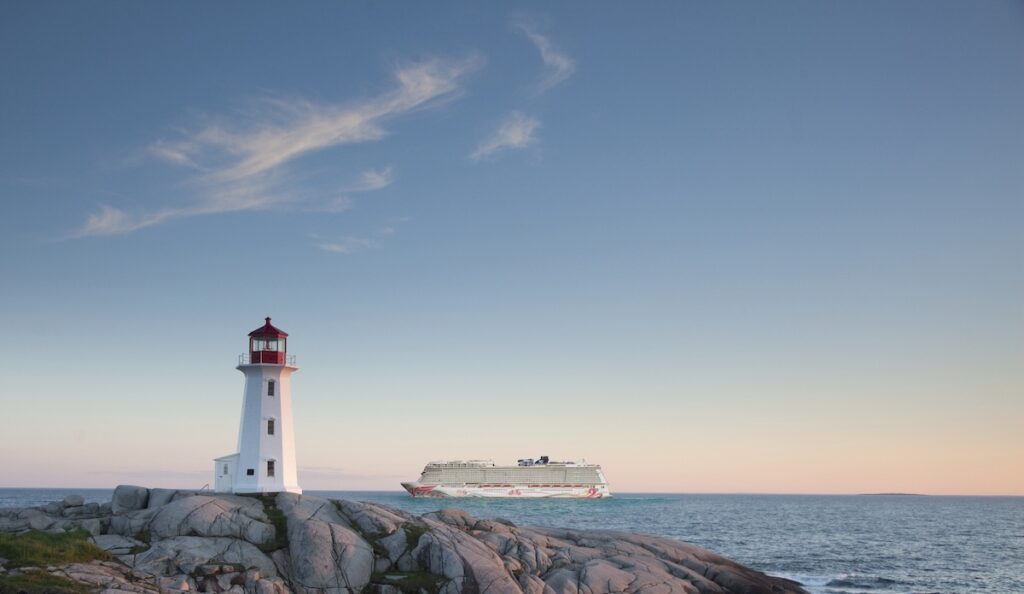
Yes. Serious incidents — fires, groundings, major injuries — are rare relative to the tens of millions of people who cruise every year, and they’ve gotten rarer as ships and regulations have improved. We break down the full numbers, including crime data and illness rates, in our deep dive: How Safe Is Cruising? Statistically, you’re safer on a modern cruise ship than in most everyday situations on land.
What Actually Keeps You Safe at Sea
During my time with NYPD’s Anti-Terrorism and Transit units, I learned that safety in any crowded environment comes down to layers — no single measure catches everything, but overlapping ones do. Cruise ships have more of these layers than almost any vacation you can take.
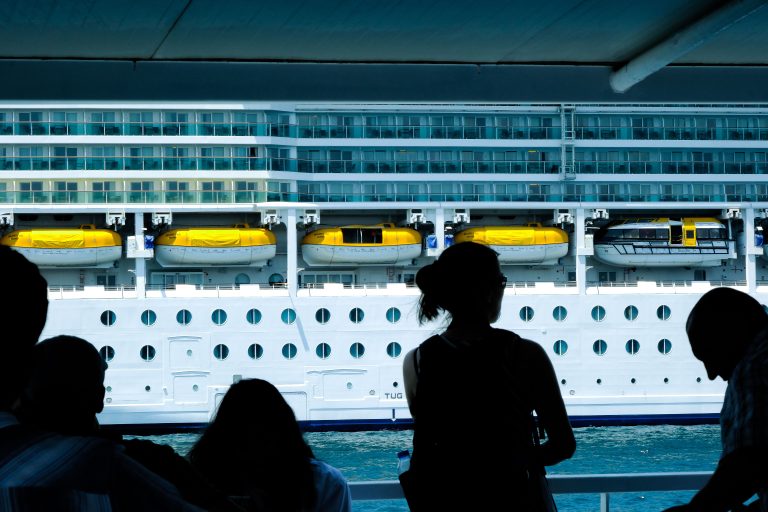
Every oceangoing ship operates under SOLAS, the international Safety of Life at Sea convention, continuously strengthened over decades of maritime safety regulation. Crews run mandatory safety drills before every voyage. Ships carry redundant navigation and communication systems, and stay in constant contact with the cruise line’s shoreside operations center. None of this is visible from a deck chair, but it’s running the entire time you’re aboard.
Will I Get Seasick on a Cruise?
Most first-time cruisers overestimate how seasick they’ll actually feel, and the anxiety about getting sick often shows up before the ship even leaves the dock. That’s a real, documented response — your brain can learn to associate travel with nausea and trigger symptoms in advance, which is different from the motion itself making you sick.
Modern ships are also far more stable than most people picture. Large ships use stabilizer technology and ride out normal swells with minimal motion, especially in cabins toward the middle of the ship. Itinerary choice matters too — routes with more sea days carry more exposure to motion than island-hopping itineraries with a port every day.
Insider Tip: Book a cabin on a lower-middle deck near the ship’s center — it’s the most stable point on the vessel. Forward cabins take the most motion since they’re first to meet the waves; aft cabins are somewhat better but still noticeable. Midship, low deck, beats both.
What Happens If There’s a Medical Emergency at Sea?
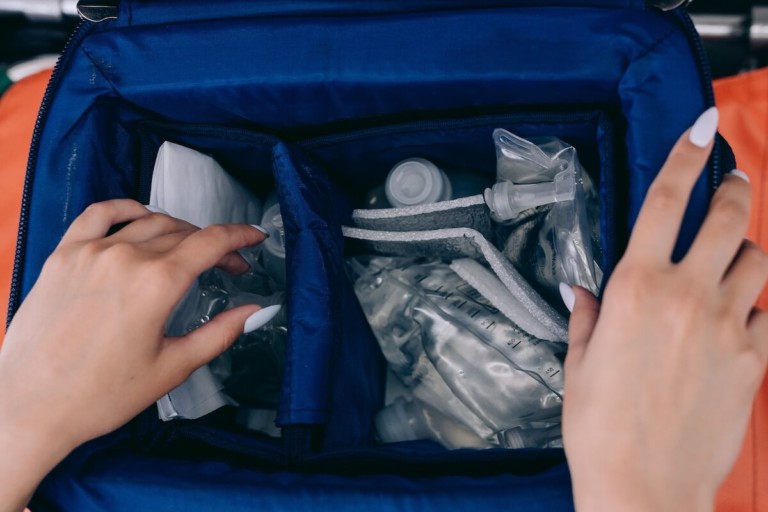
Ships carry a staffed medical center for routine and urgent care. For serious cases, according to Carnival, the standard approach is to stabilize the patient onboard first, then decide the safest way to get them to a hospital on land — diverting the ship toward port, a rapid boat transfer, or helicopter evacuation, depending on the ship’s location and the patient’s condition. Onboard stabilization is not the same as onboard treatment for serious conditions; it buys time to get you to real care, not a substitute for it.
A 2017 Allianz Global Assistance survey found 59.2% of respondents wrongly assumed their cruise line could handle serious medical emergencies onboard — a real, common misconception worth correcting before you sail. The same survey found 56.1% of respondents underestimated medevac costs, believing air ambulance transport would run under $20,000 when it can run well beyond that. Dr. William Brady, an emergency medicine professor at the University of Virginia who also serves as Allianz’s medical director, has noted that serious cases often require transport to the closest appropriate facility, sometimes with upfront payment expected before treatment begins.
Insider Tip: Check what your travel insurance actually covers for medical evacuation before you book — not just trip cancellation. Our travel insurance guide breaks down what to look for.
Could I Fall Overboard?
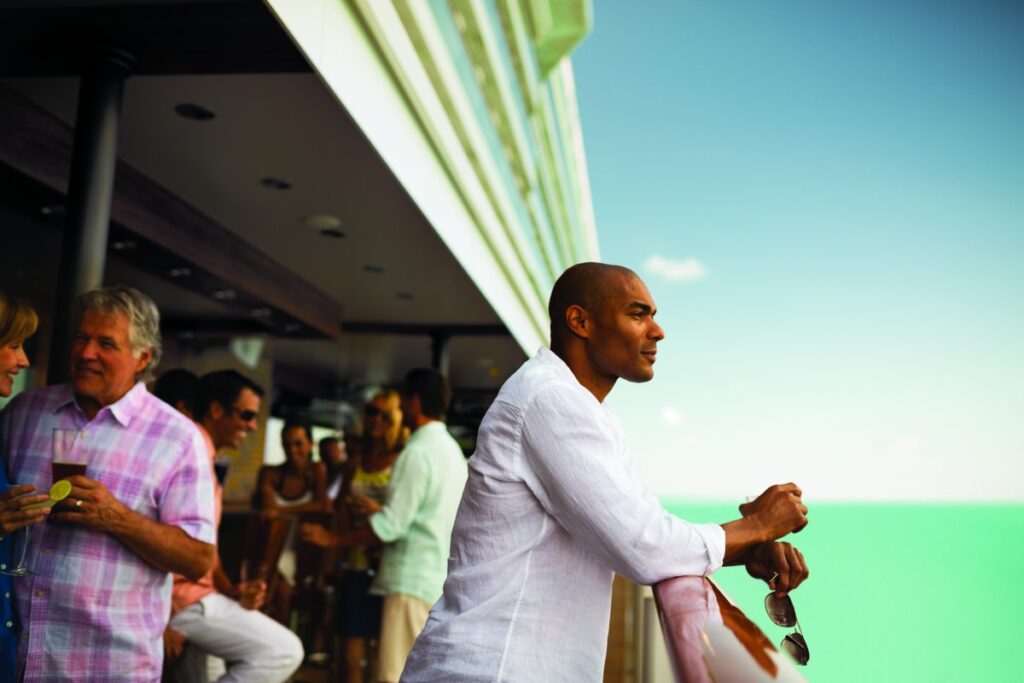
It’s one of the most common fears first-time cruisers mention, and it’s almost never what people picture. U.S. law requires deck rails at least 42 inches high, and passengers don’t fall over rails that tall by standing normally on deck. We cover the full data — including exactly how rare overboard incidents actually are — in our cruise safety data breakdown.
Nearly every documented overboard case involves someone climbing or sitting on a railing, often after drinking heavily. Standing on deck, holding a drink, watching the water — that’s not how these incidents happen. The risk is tied almost entirely to specific reckless behavior, not ordinary deck time.
What Happens If a Cruise Hits Bad Weather?
Unlike a beach resort, a cruise ship can simply move. Every major line actively tracks storm systems using National Hurricane Center data and reroutes well before a storm gets close:
- Royal Caribbean — official policy states they “try to avoid operating any ship in the vicinity of a tropical system,” altering the itinerary rather than sailing near one
- Disney Cruise Line — maintains a live tropical weather advisory page for guests during storm season
- Virgin Voyages — states it actively monitors conditions to keep sailings smooth and safe
This isn’t unique to these four. Every major cruise line follows essentially the same playbook during hurricane season — track the storm, reroute early, communicate updates directly to guests. It’s standard industry practice, not a policy specific to one brand.
In practice, this means swapping ports, not canceling cruises. Full cancellations due to weather are the rare exception, not the norm.
Will I Be Forced Into Social Situations I Don’t Want?
Not anymore, and this is one of the more outdated fears floating around. Dining today is far more flexible than the assigned-table, assigned-time model people remember. Most major lines offer specialty dining, “anytime” dining windows, and tables for two, so you’re never locked into eating with strangers unless you choose to.
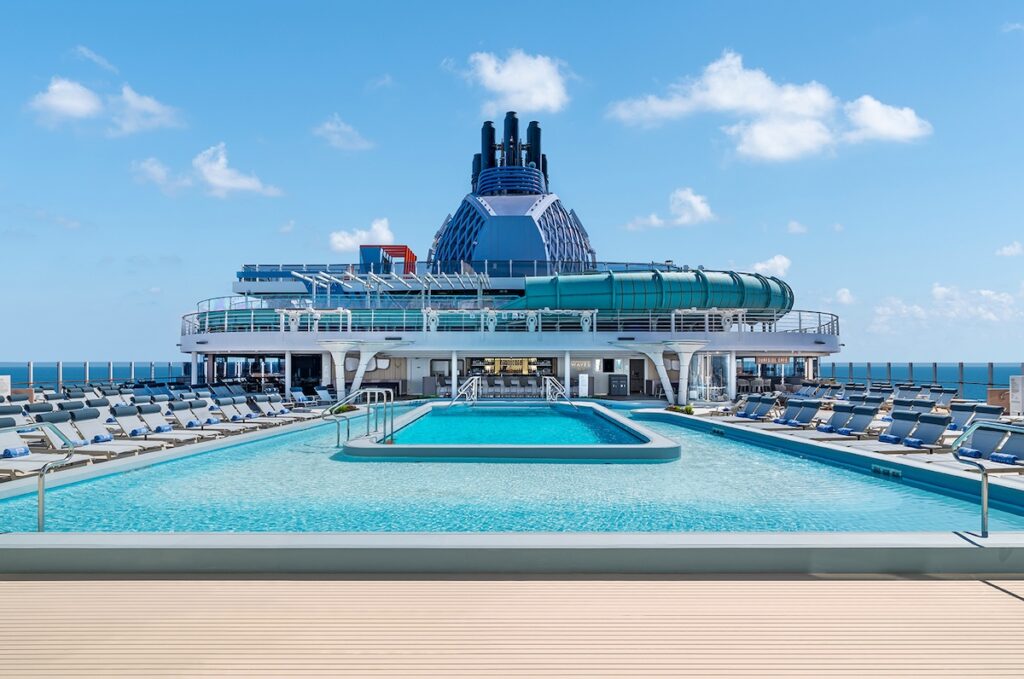
The same goes for excursions and activities — nearly everything on a modern ship is opt-in. If you’d rather spend a port day reading on an empty pool deck than join a group tour, that’s a completely normal way to cruise.

Will I Feel Trapped or Claustrophobic?
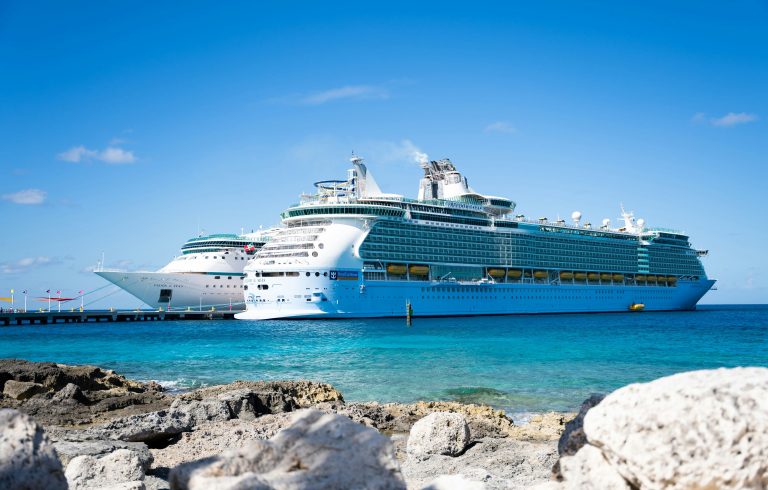
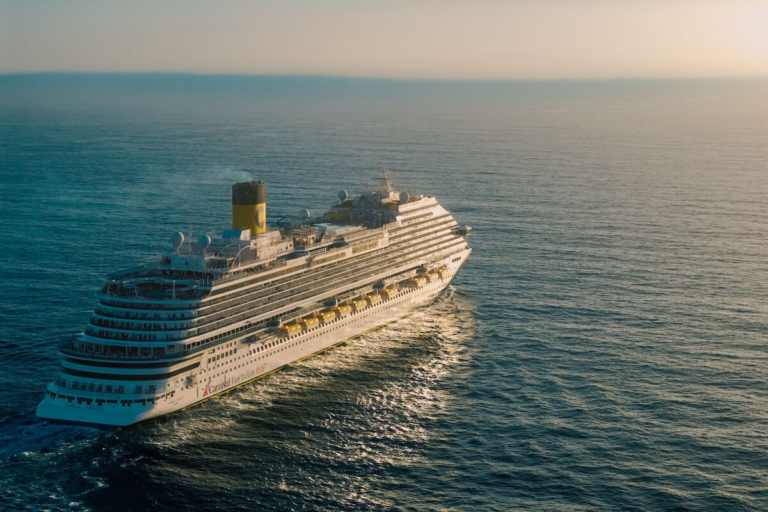
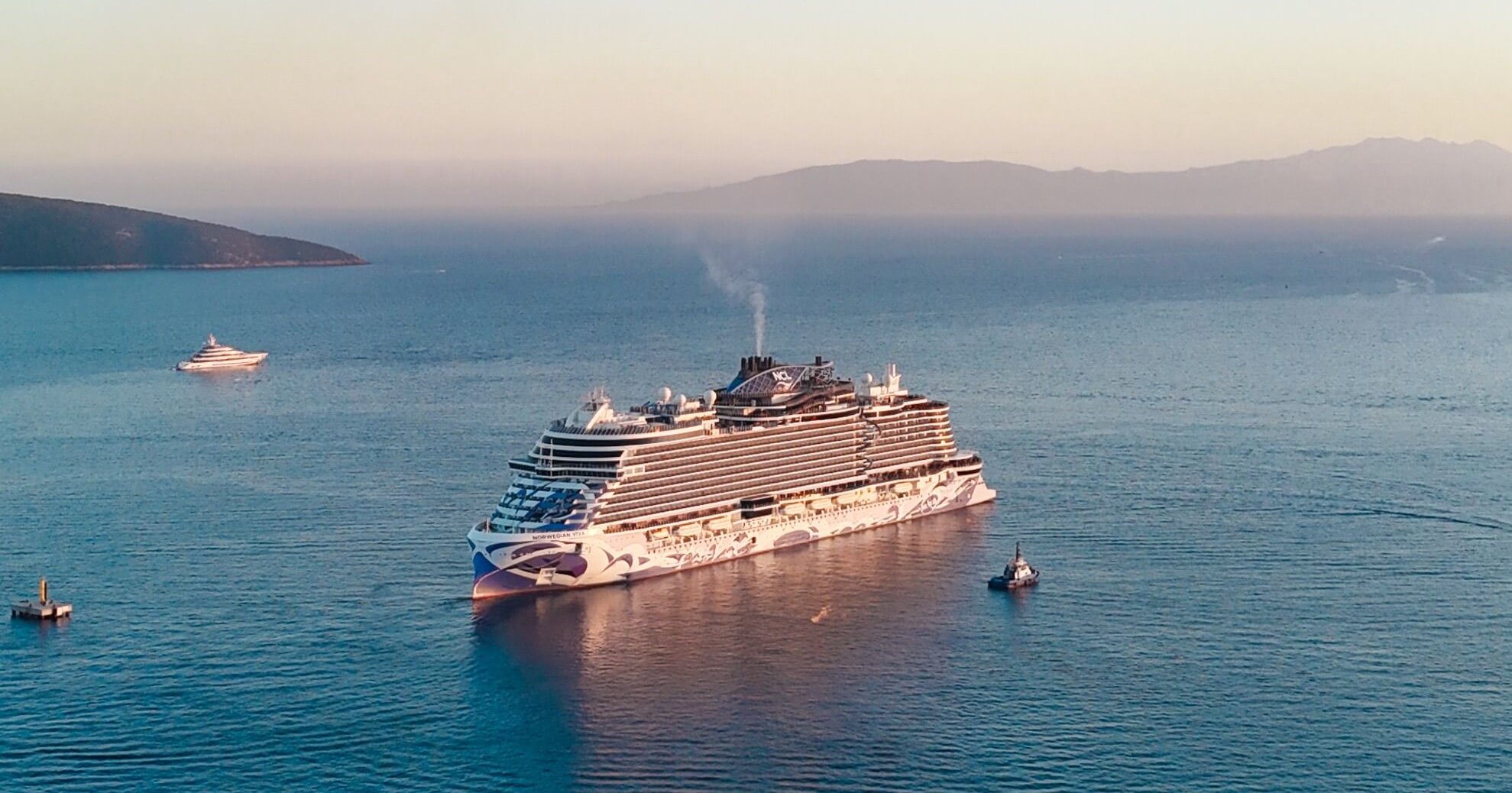
Modern mainstream ships are enormous — often longer than two to three football fields, with multiple open decks, atriums, and outdoor spaces spread out enough that different areas of the ship feel like entirely different neighborhoods. If confined spaces are a real concern, cabin and ship choice both make a meaningful difference.
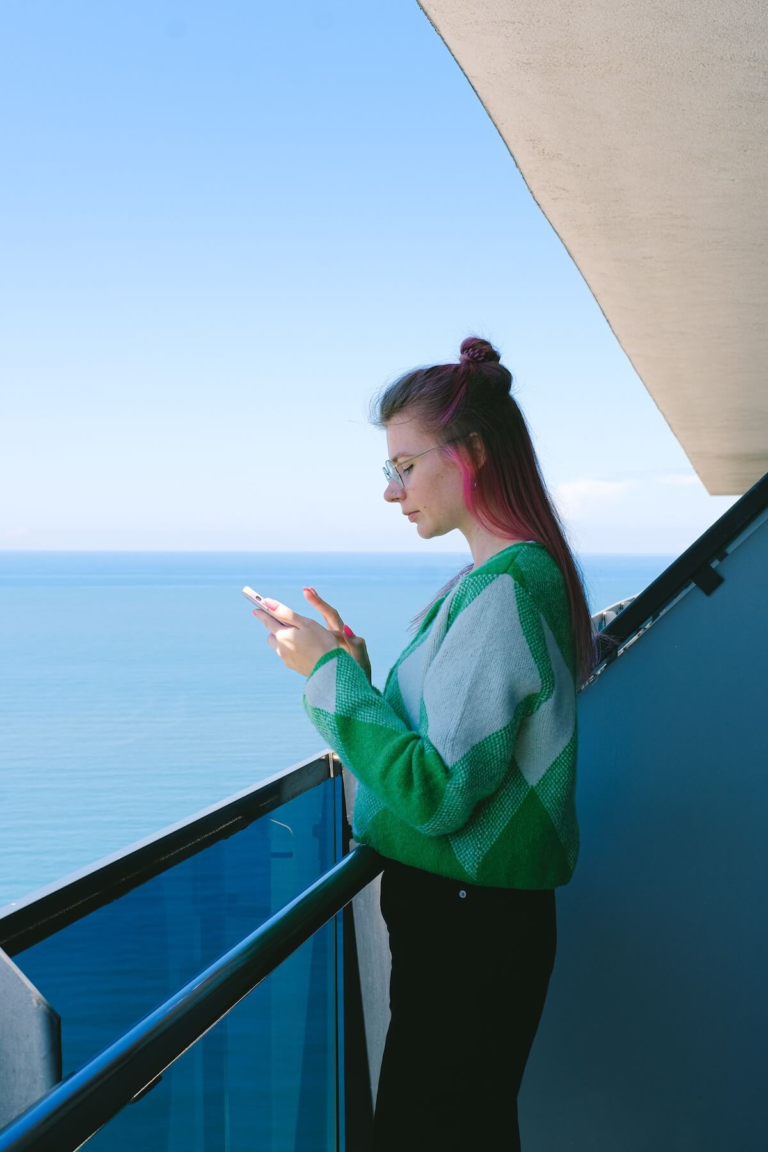
Insider Tip: A balcony cabin gives you private outdoor access any time, day or night, without needing to leave your room — often the single biggest fix for a trapped feeling on a ship.
Bigger ships with more open deck space tend to feel less enclosed than smaller, older vessels. If this fear is a real concern for you, it’s worth factoring into ship selection at the booking stage, not something to just hope you’ll get used to once aboard.
Will It Be Too Crowded and Overwhelming?
Cruise ship crowd levels vary enormously by ship size and itinerary, and this is a planning decision, not something you have to accept. Smaller and mid-sized ships, off-peak sailing dates, and itineraries with fewer sea days all reduce the sense of crowding.
If a packed pool deck sounds like your worst nightmare, that’s useful information before you book — not after. Researching ship size and passenger capacity ahead of time solves most of this fear.
Next Steps
If diagnosed anxiety is part of what’s holding you back, our cruising with anxiety guide covers accommodations and coping strategies in detail. For the full data behind cruise safety generally, read How Safe Is Cruising? What the Official Data Actually Shows. A little research goes a long way toward turning a vague fear of cruising into an informed decision.
Travel safe. Don’t let fear write your itinerary.
— Rick Hayes, Travel Safety Authority
Need an independent opinion on whether cruising is the right fit for your travel style, worries and all? Visit the Work With Rick page to schedule a consulting session. I provide independent safety and travel planning guidance, with no booking commissions or sales incentives.
This article contains affiliate links. If you purchase, book, or make a reservation through a link on this page, I may earn a small commission at no additional cost to you. Affiliate relationships include but are not limited to Amazon Associates, Viator, RoamRight, and other travel and product partners. This does not influence my recommendations — I only link to products, services, and experiences I would genuinely recommend to my own clients. Travel insurance recommendations are provided for informational purposes only. I am not a licensed insurance agent. Please review all policy details carefully before purchasing. See my full Disclaimer for details.
The information in this article is provided for general educational purposes only and reflects the personal experience and professional background of the author. It is not a substitute for professional security consultation or official government travel guidance. Safety conditions at any destination can change rapidly — always verify current advisories at travel.state.gov before your trip. Reliance on any information in this article is at your own risk. This site may contain affiliate links; see the full Disclaimer for details.