Is Nassau Bahamas Safe for Cruise Passengers? A Law Enforcement Perspective
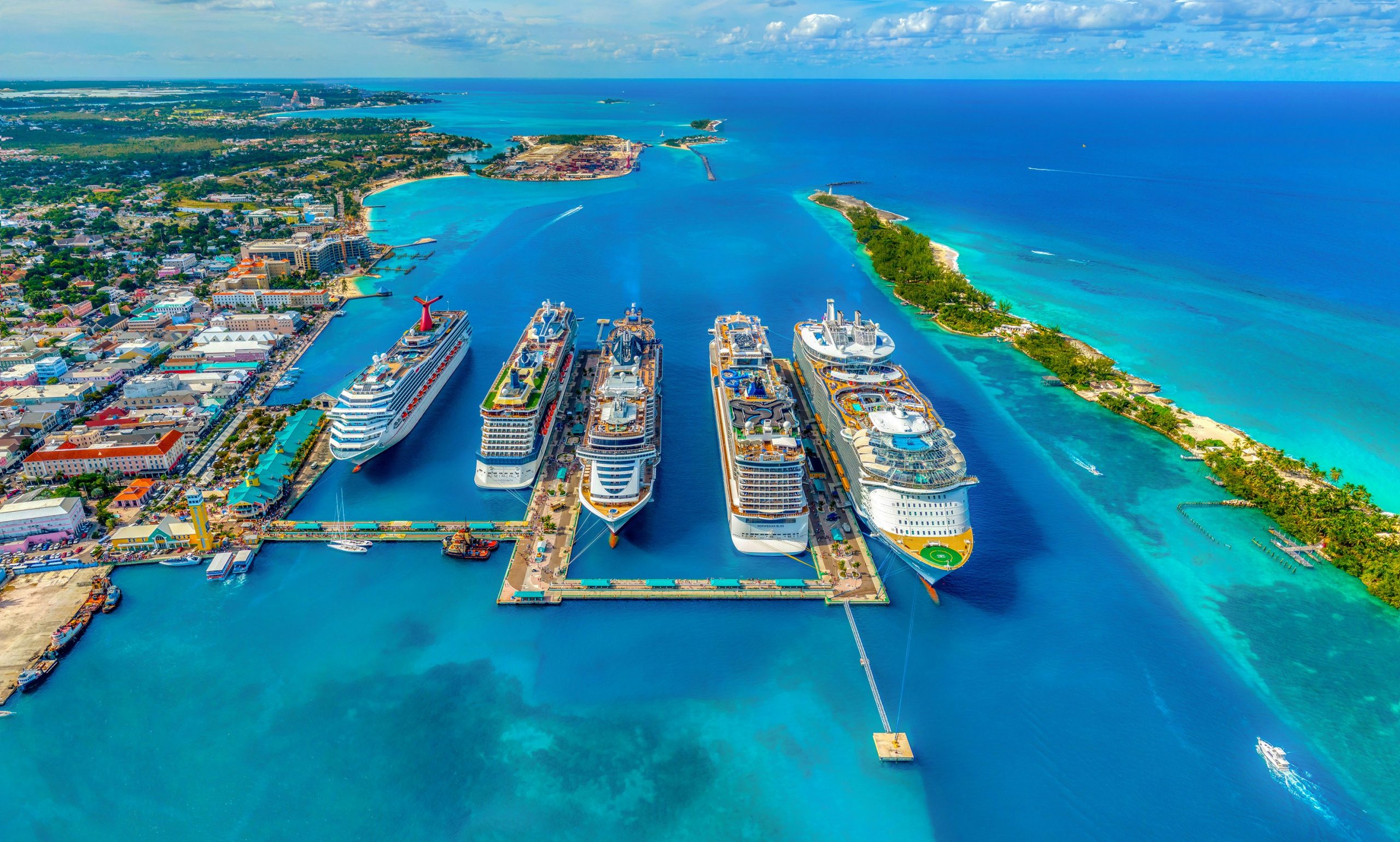
Nassau Bahamas cruise safety is one of the most searched topics among first-time Caribbean cruisers — and Nassau itself is one of the most visited cruise ports in the world.
⚠ UPDATED ADVISORY — JUNE 15, 2026
U.S. Embassy Nassau Issues Security Alert on Jet Ski Rentals
The U.S. Embassy in Nassau issued a security alert on June 15, 2026 advising Americans to avoid renting jet skis from independent operators in The Bahamas. The alert cites 7 reported sexual assaults of U.S. citizen women by jet ski operators between 2024 and 2026, one fatality, and 6 hospitalizations — 3 requiring emergency medical evacuation to the United States.
The Bahamas remains at a Level 2 travel advisory — Exercise Increased Caution. See the updated jet ski section below for the full law enforcement assessment and what this means for your Nassau port day.
If you’ve typed “is Nassau safe” into a search engine before your cruise, you’re not alone. And it deserves an honest answer — not the sanitized version you’ll find on a cruise line’s marketing page, and not the exaggerated horror stories you’ll find on travel forums.
As a retired NYPD officer who spent years working plainclothes and uniformed in some of the most high-volume tourist environments in the world — Times Square, Penn Station, the NYC subway system — I’ve seen how tourist-targeted crime operates. I know what the threat patterns look like. And I know how to give you an assessment you can actually use.
Here’s the honest, law-enforcement answer to whether Nassau is safe for cruise passengers — and exactly how to make sure you have a great experience there.
The Short Answer
Nassau is safe for the overwhelming majority of cruise passengers who visit every year. Millions of tourists walk off cruise ships in Nassau, explore the port area, visit Atlantis, swim at Cable Beach, and return to their ships without incident.
That said, Nassau does have a higher crime rate than many other Caribbean cruise destinations. Petty theft, scams, and opportunistic crime targeting tourists are real — and preventable with the right awareness.
The goal of this article isn’t to scare you away from Nassau. It’s to give you the same situational awareness briefing I’d give a colleague before they walked into an unfamiliar environment.
Nassau Bahamas Cruise Safety: Understanding the Crime Landscape
Nassau and the broader Bahamas have a well-documented violent crime problem — but it is largely concentrated in specific residential areas of New Providence island that cruise passengers have no reason to visit.
The tourist zones — the cruise port area, Bay Street, Atlantis Paradise Island, Cable Beach, and the main shopping district — are heavily trafficked by tourists daily and represent a very different environment from the neighborhoods where most serious crime occurs.
This is an important distinction that most travel articles miss. Saying “Nassau has high crime” without context is like saying “New York City is dangerous” — technically true in certain contexts, misleading as a blanket statement for tourists visiting Times Square.
From a law enforcement perspective: tourist zones in high-crime destinations are not the same as the broader crime statistics suggest. They are targeted environments with their own risk profile — primarily opportunistic theft, scams, and tourist-targeted fraud rather than violent crime.
Nassau Bahamas Cruise Safety — The Real Risks for Cruise Passengers
Based on the crime patterns that affect tourists in high-volume port environments, here are the actual risks you need to be aware of:
1. Pickpocketing and Petty Theft
The most common crime affecting cruise passengers in Nassau. The port area, Bay Street market, and crowded beach areas are the primary locations. The techniques are identical to what I watched operate in Times Square — distraction, crowd cover, targeting the unaware. A RFID-blocking money belt worn under your clothing is the single most effective countermeasure against this type of theft.
A particular note for solo cruisers: I would strongly advise against exploring Nassau alone under any circumstances. Solo travelers are targeted at a dramatically higher rate than those in pairs or groups — this is consistent across every high-volume tourist environment I worked in during my career. If you are cruising solo, connect with other solo travelers on your ship before your Nassau port day. Most cruise lines have solo traveler meetups or sailing-specific Facebook groups — introduce yourself, find a small group heading to similar attractions, and explore together. If you cannot find a group, book a ship-organized excursion. No Nassau port day is worth taking alone.
2. Taxi Overcharging and Scams
As I covered in my cruise port safety tips article, unsolicited transportation offers are one of the most common tourist traps in Nassau. Individuals presenting themselves as helpful locals or unofficial guides directing tourists to pre-arranged taxis are active in the Nassau port area.
Nassau does have an official taxi stand at the cruise port where drivers are registered with the port authority — always use this over any unsolicited offer. As I noted previously, port registration does not guarantee fair pricing, so always agree on the full round-trip fare before you get in.
Scams and Pressure Tactics
3. Aggressive Vendor Tactics
The Straw Market and Bay Street shopping area are known for aggressive vendor approaches — persistent, physical, and designed to create social pressure to buy or tip. This is not dangerous but it is uncomfortable and can be disorienting for first-time visitors.
What to do: A firm, polite “no thank you” repeated calmly is your tool here. Do not feel obligated to engage, explain yourself, or provide a reason. You do not owe vendors your attention or your money.
4. Nassau Bahamas Cruise Safety Update — Jet Ski Warning June 2026
On June 15, 2026 the U.S. Embassy in Nassau issued a security alert that significantly elevates the jet ski risk picture for cruise passengers.
Here are the documented facts from the Embassy alert:
- 7 U.S. citizen women reported sexual assaults by jet ski operators between 2024 and 2026
- Assaults occurred after victims accepted solicited rides and were taken to isolated islands near Nassau
- Primary locations: small islands east of Paradise Island, Junkanoo Beach, Saunders Beach, Cabbage Beach, and areas near the Cruise Port
- In August 2025, a U.S. citizen was killed after being struck by an unlicensed operator on an unregistered boat off Paradise Island
- Since August 2024, 6 U.S. citizens were hospitalized from jet ski accidents — 3 required emergency medical evacuation to the United States
- U.S. government employees are now prohibited from renting jet skis on New Providence and Paradise Islands
The law enforcement assessment:
Nassau received 6.1 million cruise passengers in 2025. Seven reported assaults over three years represents a statistically very small percentage of total visitors — but pattern recognition matters here. These are not random isolated incidents. They follow a consistent operational pattern: unsolicited solicitation near tourist beaches, a ride to an isolated location, and assault out of sight of other tourists.
That pattern is what law enforcement calls a targeted crime with a defined method of operation. The risk is not distributed randomly across Nassau — it is concentrated specifically among passengers who accept unsolicited jet ski offers from independent operators near the Cruise Port and the beaches east of Paradise Island.
The Embassy’s response — prohibiting all government employees from any jet ski rental — is a broad institutional response to a specific threat. My assessment is more targeted: the risk is not jet skis. The risk is independent unlicensed operators who solicit tourists directly.
What to do:
Never accept a jet ski offer from anyone who approaches you on the beach or near the port. If you want a jet ski experience in Nassau, book it through one of these verified sources:
- Your cruise line’s shore excursion desk — the cruise line vets operators, maintains accountability, and is responsible if something goes wrong
- Your cruise travel agent — a good agent knows which operators are legitimate and can book verified excursions before you board
- A legitimate third-party excursion operator — Viator is one of the largest verified excursion booking platforms in the world, vets their operators, and provides booking protection
Do not book jet ski excursions through any operator you did not arrange before you left the ship. Do not accept solicitations from anyone approaching you on the beach, near the Cruise Port, or on the small islands east of Paradise Island regardless of how official or friendly they appear.
A waterproof phone pouch keeps your phone protected and ready to document equipment condition before any rental — reputable operators will not object.
5. Unofficial Tour Guides
Individuals near the cruise port present themselves as official tour guides or local experts offering deals on excursions. Once away from the port area these arrangements can become pressure situations.
What to do: Book all excursions through your cruise line or a verified third-party operator before arrival. The ship’s shore excursion desk is your safest starting point — if something goes wrong on a ship-booked excursion, the cruise line is accountable.
Where to Go — and Where to Be Careful
Generally Safe for Cruise Passengers:
- The Nassau cruise port terminal area
- Atlantis Paradise Island — heavily secured, well-staffed private resort environment
- Cable Beach — popular, well-trafficked tourist beach
- Bay Street shopping district — busy during cruise ship hours, exercise normal awareness
- Fish Fry at Arawak Cay — popular local food area, generally safe during daylight hours
Exercise Extra Caution:
- Areas beyond Bay Street moving into residential Nassau — there is no tourist reason to go here
- After dark in any area outside your resort or ship — Nassau’s crime statistics increase significantly after dark
- Isolated beach areas away from the main tourist zones
Avoid:
- Accepting rides or tours from unsolicited strangers regardless of how friendly or official they appear
- Displaying expensive jewelry, cameras, or electronics unnecessarily
- Carrying your passport unless the port specifically requires it — leave it in the ship safe and carry a copy
Practical Safety Tips Specific to Nassau
Before You Leave the Ship:
- Research your specific planned activities and their locations relative to the port
- Set a firm all-aboard time reminder on your phone with a 45-minute buffer
- Bring a portable charger — your phone is your map, your camera, and your emergency contact all day. The 10,000mAh option fits easily in a day bag and covers 2–3 full charges. Families or multi-device travelers should consider the 50,000mAh version.
- Establish a meet-up point at the port in case your group gets separated
- Leave valuables you don’t need on the ship
- Solo cruisers: do not leave the ship alone for Nassau port days. Connect with fellow passengers the evening before — at dinner, the solo traveler meetup, or your cruise’s Facebook group — and arrange to explore as a group. Joining an existing couple or small group works equally well. Most cruisers are welcoming and happy to have company in an unfamiliar port.
At the Port:
- Use the official taxi stand — it’s clearly marked at the Nassau cruise port
- Agree on all fares before getting in any vehicle
- Be aware of your surroundings from the moment you step off the gangway — the immediate port exit area is where most targeting begins
At the Beach or Attractions:
- Keep bags in front of your body in crowded areas
- Use an RFID-blocking money belt for cash and cards — worn under your clothing, not in a bag
- Never leave bags or valuables unattended on the beach — not even briefly
Returning to the Ship:
- Keep track of time carefully — Nassau is a busy port and tender delays can occur
- Stay aware in the port area on the return — tired, sun-worn tourists carrying shopping bags are easy targets
Travel insurance is essential for any cruise that includes international ports like Nassau. A medical emergency, missed ship, or evacuation without coverage can be financially devastating. RoamRight Travel Insurance — Get a Quote →
Nassau Bahamas Cruise Safety: My Overall Assessment
Nassau Bahamas cruise safety comes down to this: Nassau is absolutely worth visiting.. The beaches are genuinely beautiful, Atlantis is a world-class resort experience, and the local culture and food are worth exploring. The vast majority of cruise passengers have wonderful experiences there every day.
What Nassau requires — more than some other Caribbean ports — is a baseline level of situational awareness that you should have at any tourist destination. The same habits that protect you in Times Square protect you in Nassau. Stay aware. Use official transportation. Secure your valuables. Trust your instincts.
For a full breakdown of those habits, read: 10 Cruise Port Safety Tips From a Retired NYPD Officer
With those habits in place Nassau goes from a destination people are nervous about to one they come back to repeatedly.
Before you board your ship, make sure you also know what to do in an emergency: Cruise Ship Emergency Procedures: What Every Passenger Needs to Know
Travel safe. Enjoy every port.
For more Nassau Bahamas cruise safety tips, subscribe to the newsletter below.
Planning a Caribbean cruise and want to know which ports are safest? Subscribe to the Travel Safety Authority newsletter for port-by-port safety guides delivered straight to your inbox. And if you found this helpful, share it with someone who has Nassau on their itinerary.
This article contains affiliate links. If you purchase, book, or make a reservation through a link on this page, I may earn a small commission at no additional cost to you. Affiliate relationships include but are not limited to Amazon Associates, Viator, RoamRight, and other travel and product partners. This does not influence my recommendations — I only link to products, services, and experiences I would genuinely recommend to my own clients. Travel insurance recommendations are provided for informational purposes only. I am not a licensed insurance agent. Please review all policy details carefully before purchasing. See my full Disclaimer for details.
The information in this article is provided for general educational purposes only and reflects the personal experience and professional background of the author. It is not a substitute for professional security consultation or official government travel guidance. Safety conditions at any destination can change rapidly — always verify current advisories at travel.state.gov before your trip. Reliance on any information in this article is at your own risk. This site may contain affiliate links; see the full Disclaimer for details.