Do You Really Need Travel Insurance for a Cruise? A Former NYPD Officer’s Honest Take
If you’ve ever wondered whether you really need travel insurance for a cruise, you’re not alone — and the answer matters more than most people think. Most cruisers skip it entirely, figuring the cruise line has them covered, or they’ll take their chances on a short trip. I’ve seen what happens when that bet doesn’t pay off — and it’s not pretty.
As a travel agent and retired NYPD Officer, I’ve had conversations with clients before and after trips. The ones who bought insurance and never needed it forget about it. The ones who needed it and didn’t have it never forget that either.
Here’s what you actually need to know about travel insurance for a cruise.
Do You Really Need Travel Insurance for a Cruise?
The Short Answer: Yes — travel insurance for a cruise is worth it for most travelers. Cruise lines aren’t responsible for your medical bills at sea, evacuation can cost $25,000 to $100,000 or more, and standard health insurance rarely covers you once you leave the U.S.
What Cruise Line Coverage Covers — and What It Doesn’t
When something goes wrong on a cruise, most passengers assume the cruise line will take care of them. That assumption can cost thousands of dollars.
Cruise lines carry medical staff and basic onboard care, but they are not responsible for your medical expenses. If you get sick or injured at sea, you will receive a bill. If that illness or injury requires evacuation to a shoreside hospital — by helicopter or medical transport vessel — that bill can easily reach $50,000 or more.
Your standard health insurance back home may cover very little, or nothing at all, once you’re outside the United States. Medicare does not cover international travel. Many employer health plans have severely limited out-of-network coverage in foreign countries.
The cruise line’s cancellation policy protects the cruise line, not you. If you cancel outside their window, you lose your money. If a family emergency forces you to leave mid-cruise, there is no automatic refund.
The 4 Situations Where Travel Insurance for a Cruise Pays for Itself
1. Medical Emergency at Sea or in Port
This is the big one. A heart attack, a bad fall on a shore excursion, a serious allergic reaction — any of these can result in an emergency evacuation. Medical evacuation costs alone can wipe out years of savings. Travel insurance with medical coverage and evacuation benefits protects you from a catastrophic out-of-pocket expense.
2. Trip Cancellation Before You Leave
Life happens. A serious illness, a death in the family, a job loss — these things don’t check your travel schedule before they show up. Trip cancellation coverage reimburses your prepaid, nonrefundable costs when you have to cancel for a covered reason. On a cruise that costs $3,000 to $6,000 or more for a family, that protection matters.
3. Trip Interruption Mid-Cruise
Different from cancellation — this covers you if something forces you to cut the trip short after it’s already started. You may be reimbursed for unused cruise days and the cost of getting home early.
4. Lost, Delayed, or Damaged Baggage
Luggage gets lost. Bags get delayed. On a cruise, if your bag misses embarkation, you’re on the ship without your belongings. Baggage coverage helps you replace essentials and get reimbursed for what’s lost or damaged.
Medical Evacuation — The One Nobody Thinks About Until It’s Too Late
I want to stay on this for a moment because it’s the scenario most cruisers completely underestimate.
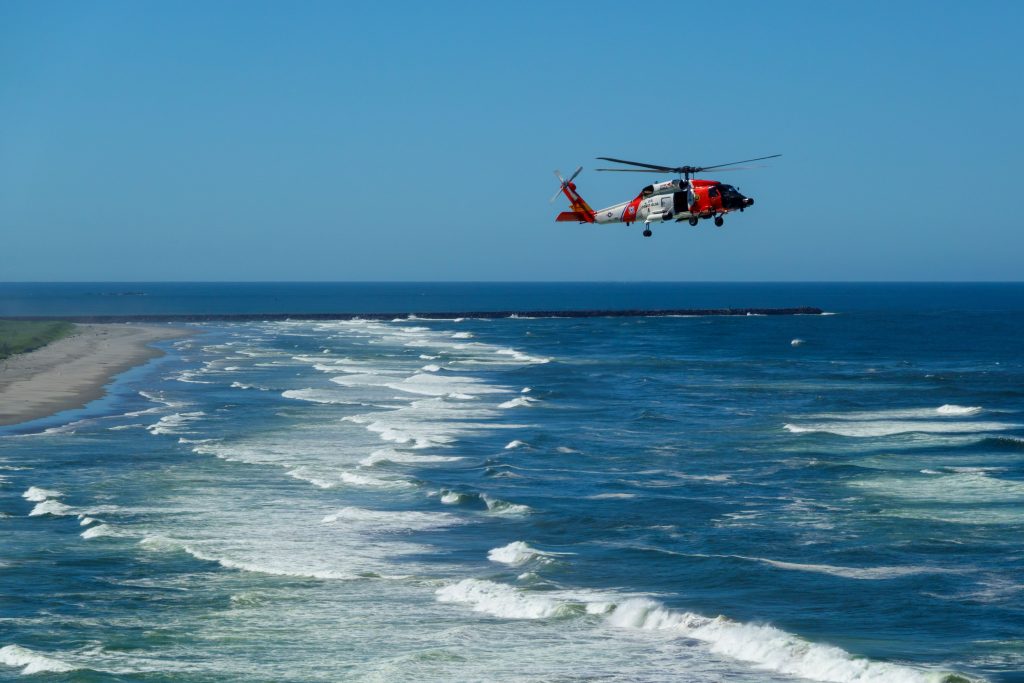
If you have a serious medical event in the middle of the Caribbean — or anywhere outside the U.S. — and the ship’s medical center can’t fully treat you, you need to get to a hospital. That means a helicopter, a coast guard response, or a medical transport vessel. These are not covered by the cruise line. They are not free.
A medical evacuation from international waters or a remote port can cost anywhere from $25,000 to over $100,000. I’ve seen figures even higher for complex situations. Travel insurance with emergency medical evacuation coverage is the only protection that covers this.
Insider Tip: As a travel agent, I always recommend my clients purchase insurance with a minimum of $100,000 in emergency medical coverage and $250,000 in emergency medical evacuation coverage. For international cruise travel, higher is better.
What the Major Cruise Lines Actually Offer for Travel Insurance
Most cruise lines offer their own travel protection plan at checkout. It’s convenient, it’s branded to the cruise line, and it feels like the obvious choice. But convenience isn’t the same as coverage.
Below is a breakdown of what the four biggest mass-market cruise lines currently offer, accurate as of June 20, 2026. These plans can change at any time — always verify the current terms directly with the cruise line before purchasing, and review the terms and conditions specific to your state, as coverage varies by state law.
⚠ IMPORTANT DISCLAIMER
Cruise Line Protection Plan Information — For Reference Only
The cruise line protection plan details below are provided for informational purposes only and were accurate as of June 20, 2026. I am not a licensed insurance agent. Plan details, coverage limits, and terms are subject to change at any time without notice. Always verify current plan details directly with your cruise line or a licensed insurance professional before making any purchasing decisions. Travel Safety Authority is not responsible for inaccuracies or changes to plan details that may have occurred after the date noted above.
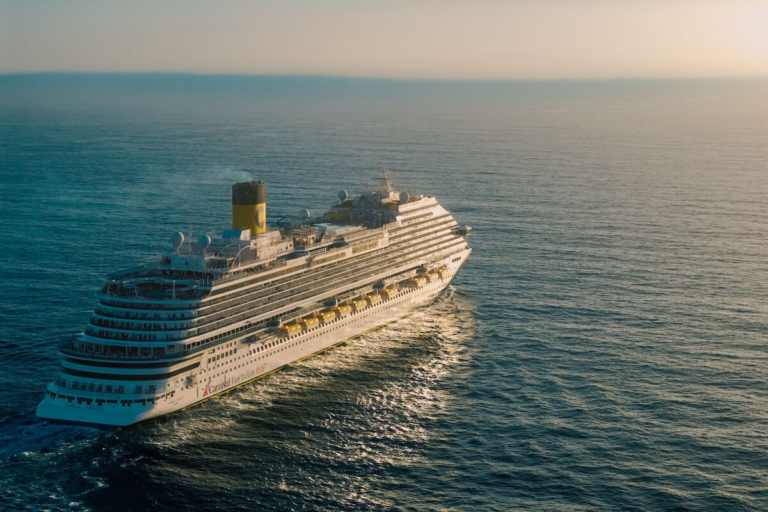
Carnival Vacation Protection
Underwritten by United States Fire Insurance Company
- Trip Cancellation: 100% cash reimbursement for covered reasons
- Cancel for Any Reason: 75% back as a future cruise credit
- Trip Interruption: Up to 100% of total trip cost
- Emergency Medical: Up to $20,000 accident and sickness combined
- Emergency Evacuation: Up to $50,000
- Baggage: Up to $1,500 loss/theft/damage / $500 for delays of 24+ hours
- 24/7 worldwide assistance via CareFree Travel Assistance™
- Not available to New York residents
Carnival’s cancellation coverage is straightforward and the future cruise credit option adds flexibility. However, the medical and evacuation limits are the lowest of the four lines covered here — $20,000 in medical coverage is not enough for a serious international medical event, and $50,000 in evacuation falls well short of what a real emergency can cost.
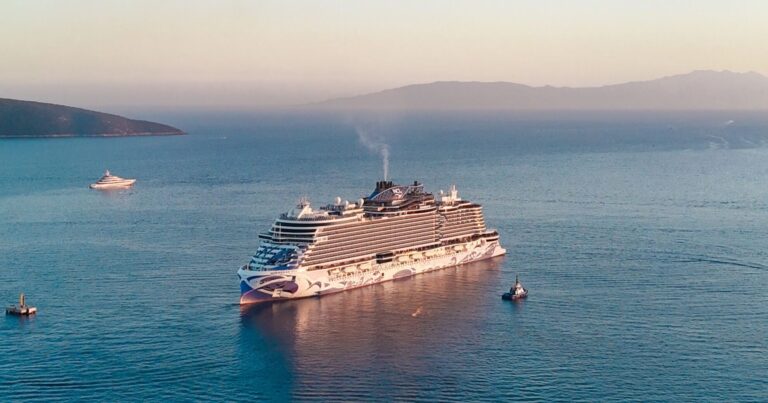
Norwegian Cruise Line — NorwegianCare Travel Protection
Underwritten by Arch Insurance Company / Administered by Aon Affinity
- Trip Cancellation: 100% cash reimbursement for covered reasons
- Cancel for Any Reason: 90% back as a NorwegianCare future cruise credit
- Trip Interruption: Up to 150% of nonrefundable prepaid cruise costs
- Trip Delay: Up to $1,000 (3+ hour delay)
- Emergency Medical: Up to $50,000 accident / $50,000 sickness
- Emergency Evacuation: Up to $250,000 / Repatriation up to $50,000
- Baggage: Up to $1,500 loss/theft/damage
- Baggage Delay: Up to $500 (24+ hour delay)
- 24/7 worldwide assistance via CareFree Travel Assistance™
- New York cancellation terms handled separately
NCL’s evacuation coverage at $250,000 is significantly stronger than Carnival’s and holds up better for international travel. The medical limits are still on the lower end for a serious emergency, but the overall plan is more balanced. The cancel for any reason benefit returns money as a cruise credit — not cash — which limits your flexibility if your plans change entirely.
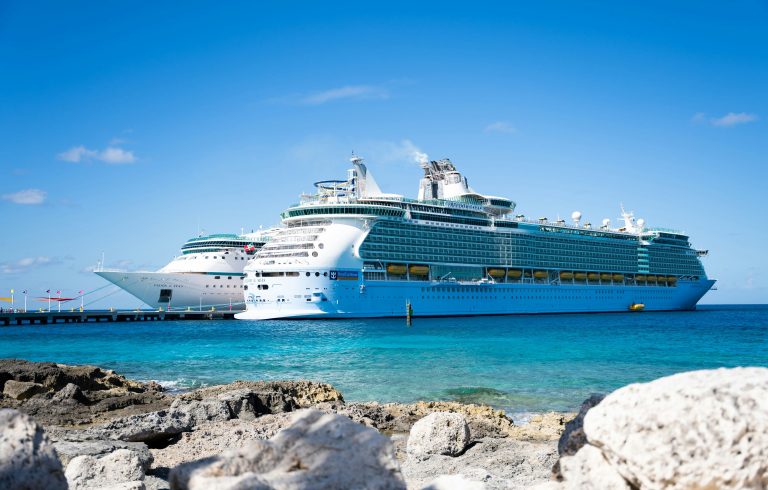
Royal Caribbean Travel Protection
Underwritten by Arch Insurance Company / Administered by Aon Affinity
Current terms apply to departures on or after 6/1/26
- Trip Cancellation: 100% cash reimbursement for covered reasons
- Cancel for Any Reason: 90% back as a future cruise credit
- Trip Interruption: Up to 150% of total trip cost
- Trip Delay: Up to $2,000 ($250/day, 3+ hour delay)
- Missed Connection: Up to $300 (3+ hour delay)
- Emergency Accident Medical: Up to $100,000
- Emergency Sickness Medical: Up to $100,000
- Emergency Medical Evacuation: Up to $500,000
- Baggage Protection: Up to $3,000 ($500/item)
- Baggage Delay: Up to $500 (6+ hour delay)
- 24/7 worldwide assistance via CareFree Travel Assistance™
- New York cancellation terms handled separately
Royal Caribbean’s current plan is the strongest of the four. The $100,000 medical coverage and $500,000 evacuation limit are numbers that actually hold up for serious international emergencies. The trip delay benefit at $2,000 is also the highest of the group. If you’re sailing Royal Caribbean and want to stay with the cruise line’s own plan, this one is worth a serious look — but still verify current terms for your state before purchasing.
MSC Global Protection Plan
Underwritten by Generali U.S. Branch
- Trip Cancellation: 100% of insured trip cost for covered reasons
- Trip Interruption: 100% of insured trip cost
- Travel Delay: Up to $600 ($200/day)
- Emergency Medical and Dental: Up to $75,000 ($500 emergency dental)
- Emergency Assistance and Transportation: Up to $75,000
- Baggage: Up to $1,000
- Baggage Delay: Up to $100
- Accidental Death & Dismemberment (air flight): $25,000
- 24/7 travel assistance and concierge services
- No Cancel for Any Reason option available
MSC’s plan is the most limited of the four. The evacuation coverage at $75,000 falls below the recommended minimum for international cruise travel, and the baggage delay reimbursement of $100 is the lowest of any plan here. MSC is also the only cruise line of the four that does not offer a cancel for any reason option of any kind. For MSC passengers, a third-party policy is essentially a necessity if you want meaningful protection.
What the Pattern Tells You
Looking at these four plans side by side, a clear picture emerges. Cruise line protection plans are generally solid on trip cancellation and interruption — that protects your vacation investment. Where they consistently fall short is emergency medical and evacuation coverage — which is what protects you when something serious happens far from home.
Royal Caribbean is the strongest of the four right now. The others leave gaps that matter when a real emergency occurs.
One more thing worth understanding: these plans are designed and priced by the cruise lines. That’s not a criticism — it’s just reality. When you buy a third-party policy from an independent insurance provider, you’re buying coverage from a company whose only job is to pay claims. That’s a meaningful difference.
Insider Tip: As a travel agent, I recommend third-party travel insurance for most of my clients. You want an insurance company that works for you — not one built around the cruise line’s interests. An independent policy also gives you more flexibility on coverage limits, pre-existing condition waivers, and cancel for any reason terms. Always read your state-specific terms and conditions before purchasing any plan, as coverage requirements and exclusions vary by state law.
What to Look for in a Policy
Not all travel insurance is the same. When you’re comparing policies, focus on these key coverage areas:
Emergency Medical Coverage — Look for a minimum of $100,000 for international cruise travel.
Emergency Medical Evacuation — Separate from medical coverage. This pays for the transport itself. Should be at least $250,000 for cruise travel.
Trip Cancellation — Covers prepaid, nonrefundable costs when you cancel for a covered reason. Look carefully at what qualifies as a covered reason — policies vary significantly.
Trip Interruption — Applies once travel has begun. Should cover unused trip days plus return travel costs.
Cancel for Any Reason (CFAR) — An optional upgrade that lets you cancel for reasons not covered under standard policies. Typically reimburses 50–75% of trip cost. Worth considering if you have any uncertainty about your travel dates.
Pre-Existing Condition Waiver — If you or a traveling companion has a pre-existing medical condition, look for policies that include a waiver. These usually require purchase within a specific window after your initial trip deposit — often 14 to 21 days. Don’t wait.
My Travel Insurance for a Cruise Recommendation: RoamRight
I recommend RoamRight to my travel agency clients for cruise travel. RoamRight offers solid medical, evacuation, cancellation, and interruption coverage with straightforward policy language — which matters when you’re trying to understand what you’re actually buying before something goes wrong.
You can get a quote and purchase a policy here:
Insider Tip: Purchase your travel insurance within 14 to 21 days of your initial trip deposit to qualify for pre-existing condition waivers and the best available coverage terms. Waiting until right before your cruise limits your options and can exclude coverage you might actually need.
The Bottom Line
Travel insurance for a cruise is not a luxury purchase for anxious travelers. It’s a financial safety net for a predictable category of risk — medical emergencies, unexpected cancellations, and evacuation costs that your regular health insurance wasn’t designed to handle.
On a cruise, you are often far from home, sometimes in foreign countries with limited medical infrastructure, and always subject to costs your domestic insurance won’t cover. A policy that costs a few hundred dollars can protect thousands.
Book the insurance when you book the cruise. Don’t wait.
Before you sail, read The Biggest Cruise Mistakes I See as a Travel Agent and check out 10 Tech Gadgets That Will Change the Way You Cruise for more pre-trip essentials.
Travel safe. Travel smart. Enjoy every wave.
— Rick Hayes, Travel Safety Authority
Planning your first cruise and not sure where to start? I offer one-on-one cruise planning consultations — personalized guidance on ship selection, cabin location, dining strategy, and port safety for your specific sailing. Work With Rick to get started.cation, dining strategy, and port safety for your specific sailing. Learn more about cruise planning consultations.
This article contains affiliate links. If you purchase, book, or make a reservation through a link on this page, I may earn a small commission at no additional cost to you. Affiliate relationships include but are not limited to Amazon Associates, Viator, RoamRight, and other travel and product partners. This does not influence my recommendations — I only link to products, services, and experiences I would genuinely recommend to my own clients. Travel insurance recommendations are provided for informational purposes only. I am not a licensed insurance agent. Please review all policy details carefully before purchasing. See my full Disclaimer for details.
The information in this article is provided for general educational purposes only and reflects the personal experience and professional background of the author. It is not a substitute for professional security consultation or official government travel guidance. Safety conditions at any destination can change rapidly — always verify current advisories at travel.state.gov before your trip. Reliance on any information in this article is at your own risk. This site may contain affiliate links; see the full Disclaimer for details.