How to Book a Cruise: The Four Decisions That Shape Your Trip
A cruise doesn’t have to be a bad cruise to be the wrong one for you. Maybe the ship attracts a different crowd than you expected, the atmosphere isn’t what you had in mind, or the itinerary doesn’t offer what you wanted. You can’t control everything about a vacation, but learning how to book a cruise that fits your travel style can help you avoid the wrong one.
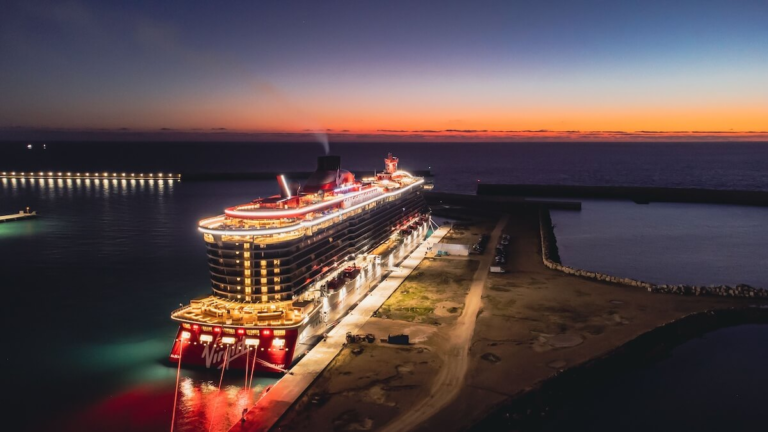
Consider a family planning a Virgin Voyages cruise. They’d seen the videos, liked the nightlife, and thought it was exactly what they wanted. But when they went to book, they discovered their 17-year-old couldn’t sail. Virgin Voyages is 18 and over, fleet-wide, with no exceptions. They had to find another cruise line.
What Do You Need to Decide When You Book a Cruise?
Booking a cruise comes down to four decisions:
- Which cruise line
- Where you want to sail
- When to sail
- Which cabin to book
Those four choices shape most of your cruise experience. Things like drink packages, specialty dining, shore excursions, travel insurance, and promotional perks also matter, but they’re separate considerations. If certain extras are important to you, factor them in when comparing your options.
Each decision has its own guide: how to choose a cruise line, how to choose a cruise itinerary, the best time to go on a cruise, and cruise cabin types explained. There’s also a separate guide to cruise deposits, final payment, and booking perks, covering the financial side of booking.
Choosing a Cruise Line
Two cruise lines can visit the same ports, charge similar fares, and offer completely different vacations. What happens on board matters just as much as where the ship goes. Some lines focus on families and activities, while others offer a quieter, more adult-oriented experience. Dining, entertainment, age restrictions, and what’s included in the fare all make a difference. Even ships within the same cruise line can feel very different.
How Do You Choose the Right Cruise Line?
Think about how you want to spend your time on board. A ship with water slides, busy pool decks, and entertainment throughout the day isn’t necessarily a good fit for someone looking for quiet spaces, relaxed dining, and an evening cocktail.
Don’t choose based on reputation, the newest ship, or the advertised price alone. A lower fare may not include drinks, Wi-Fi, specialty dining, or gratuities. Compare what you’ll actually pay for the experience you want, not just the starting price.
What Should You Check Before Choosing a Cruise Line?
- Age requirements: Minimum ages for sailing and restrictions on specific venues.
- What’s included: Drinks, Wi-Fi, dining, and gratuities. Check whether they’re standard inclusions or promotional perks.
- Dining: Assigned dining times, flexible schedules, and specialty restaurants.
- Dress codes: What’s expected in dining rooms, clubs, and the buffet.
- Casino: Whether the ship has one.
- Ship size: Large ships with more activities versus smaller ships with a different atmosphere.
- Adults-only spaces: Dedicated adult areas or an entirely adults-only ship.
- Kids’ programs: Supervised clubs and activities appropriate for your children’s ages.
Why Does the Specific Ship Matter?
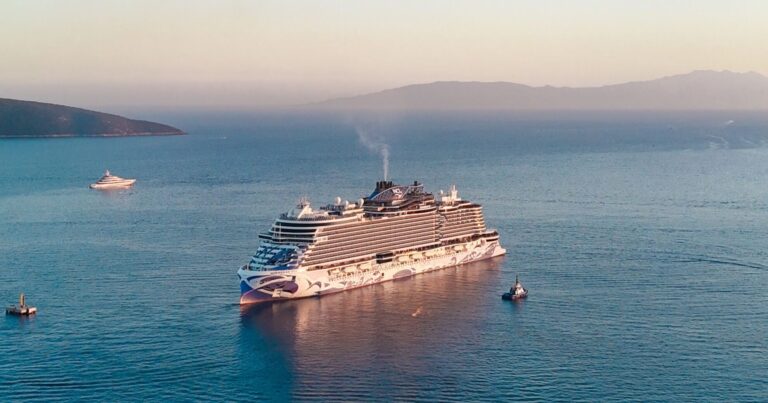
Ships within the same cruise line can offer very different experiences. Norwegian Cruise Line is a good example. Its Freestyle Dining policy applies fleet-wide, so you can eat when you want without an assigned dining time or table. But the ships themselves vary. Norwegian’s Prima-class ships have Ocean Boulevard, an oceanfront promenade that wraps around the outside of the ship. Older Norwegian ships don’t have it.
For families with young children, the differences can be more important. Royal Caribbean offers nursery drop-off care for children under three on most ships, but Jewel of the Seas, Adventure of the Seas, and Explorer of the Seas don’t have it. If you need nursery care, confirm it’s available on your specific ship before booking. Facilities can change when ships are refitted.
Some policies do apply across an entire fleet. Virgin Voyages and Viking are adults-only, as is Oceania for new reservations made from January 7, 2026. All three require guests to be at least 18. Other lines, including Carnival, Royal Caribbean, and Disney Cruise Line, offer cruises geared toward families.
The guide to choosing a cruise line takes a closer look at these differences, including onboard atmosphere, fare structures, and family policies.

Choosing Where You Want to Sail
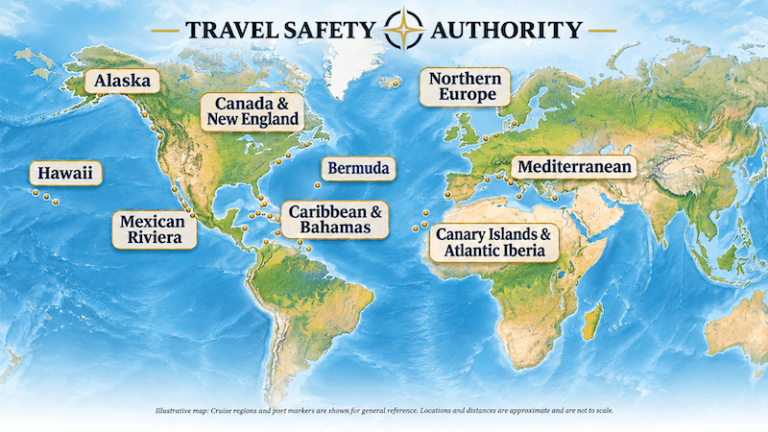
Start with what you’d enjoy doing on your cruise. The Caribbean and Bahamas are popular for warm weather, beaches, and time on the water. Alaska and Norway offer some of the most impressive scenery you’ll find on a cruise, from glaciers and fjords to dramatic coastlines. For history, architecture, and sightseeing, the Mediterranean and Northern Europe are hard to beat. And you don’t always have to choose between them. A Mediterranean itinerary can include historic cities and beach days on the same sailing.
Your Guide to Sailing Seasons
Not every destination has ships sailing year-round. Here’s when cruises generally operate in each region:
- Caribbean and Bahamas: Cruises operate year-round.
- Alaska: Generally late April through early October.
- Mediterranean: Primarily spring through fall.
- Northern Europe: Generally April or May through September or October.
- Bermuda: Mostly spring through fall, with many sailings departing from Northeast U.S. ports.
- Canada/New England: Primarily late summer and fall, with many departures from Northeast U.S. ports.
- Hawaii: One ship sails inter-island itineraries year-round. Longer cruises from the West Coast are also available.
Comparing Itineraries in the Same Region
Two cruises visiting the same region can give you very different experiences. Look at the actual ports, how long the ship stays in each one, and how many sea days are included. A full day in port gives you more time to explore than a short afternoon stop. And if sightseeing is your priority, several sea days can take away from the time you have ashore.
Pay attention to the departure port, too. Sailing from somewhere close to home can eliminate airfare and hotel costs. The same applies if you’re already planning to visit the departure city.
The guide to choosing a cruise itinerary takes a closer look at regional differences, ports, and what to consider before choosing a sailing.

When Should You Sail?
The best month to cruise depends on what matters most to you: good weather, lower prices, or fewer crowds. If you have school-age kids, you’re probably also planning around the school calendar.
Alaska is a good example. Its main cruise season runs from May through September. The best odds of warm, dry weather in Southeast Alaska run from April through early July, with June and July having the lowest chance of windy days. June through August brings the warmest temperatures and peak wildlife viewing, but those are also the busiest months, with cabins selling out fast.
In the Caribbean and Bahamas, the driest weather generally falls between February and April. Atlantic hurricane season runs from June 1 through November 30, with activity concentrated from mid-August to mid-October.
Christmas through New Year’s is busy everywhere, every year. Spring break varies by state and school district, so compare fares across several weeks. The price difference between sailings just a week or two apart can tell you which weeks are busiest.
How Far in Advance Should You Book a Cruise?
My advice is to book as far out as possible. On most cruise lines, if the fare drops before your final payment date, you can reprice. You won’t receive a refund; the adjustment simply lowers what you’ll owe at final payment. Booking early also gives you a better cabin selection before the good ones sell out.
I see this firsthand with Royal Caribbean’s newest ships. Icon, Star, and Legend of the Seas book up fast. The closer you get to sailing, the harder it becomes to find the room you want, and the higher the price climbs. Hero of the Seas doesn’t debut until summer 2027, and some cabin categories on its early sailings are already selling out.
Not everyone can plan 18 to 24 months ahead. If you can’t, there are two other booking windows worth knowing. Wave Season, January through late March, is when cruise lines run their biggest promotions of the year, including reduced fares, lower deposits, and perks like onboard credit. And if you’re flexible on dates, ships that aren’t full tend to drop prices around 60 days before sailing.
Book Alaska as soon as you know you’re going. The season only runs from May through September, and cabin choices become more limited as sailings fill. Solo cabins and accessible cabins tend to book out faster than standard staterooms on any ship. If you need one, book early regardless of the cruise line or destination.
The guide to when to sail breaks down cruise timing by region, including weather, crowds, and seasonal factors to consider.
Choosing Your Cabin
You’ll spend real time in your cabin, whether that’s just sleeping or taking a midday break from the ship. Book based on what you actually need.
Does the Cabin Type You Book Matter?
Yes. Your cabin type determines how much space you have, whether you get a window or balcony, and what additional amenities or privileges may come with a suite. Category names vary by cruise line, so check exactly what you’re booking.
The Four Cabin Types
Cruise cabins generally fall into four types:
- Interior: Usually the smallest and least expensive cabins, with no windows. They’re a good choice if you like a pitch-black room for sleeping. With no balcony door, you also avoid wind and noise coming in from outside.
- Ocean View: A window provides natural light and a view of the water, but there’s no door to step outside. Like interior cabins, they keep outside noise from the upper decks out.
- Balcony: Floor-to-ceiling views of the ocean and passing scenery, plus a private outdoor space where you can sit and relax.
- Suite: Generally the most spacious accommodations, often with larger balconies and extras like priority boarding or access to a dedicated lounge. Perks vary by cruise line and suite category, and top-tier suites often include benefits that standard suites don’t.
Cabin Categories Don’t Tell the Whole Story
Cruise lines divide each cabin type into multiple categories, and even rooms within the same category can vary in size. Check the square footage of the specific cabin you’re considering. A junior suite often comes without suite-level privileges, and what qualifies as a suite varies from one cruise line to another.
Guarantee Cabins and Location
A guarantee cabin, sometimes listed as GTY, guarantees you a room in the category you booked or higher, but you don’t get to choose the specific cabin. Book an interior guarantee, and you’ll likely be assigned an interior cabin in the best available location closer to sailing. Book a suite guarantee, and you’ll be assigned a junior suite or above, somewhere on the ship.
On Royal Caribbean’s Oasis-class and Icon-class ships, a balcony guarantee could put you in a cabin overlooking an interior neighborhood instead of the ocean. If the view matters to you, book a specific room.
Cabin location matters, too. Lower decks and midship cabins experience the least movement, which is worth considering if you’re prone to seasickness. You’ll feel more motion in higher and forward cabins.
Before booking, look up the specific room number on the ship’s deck plan. Check the size, location, possible obstructions, and what the balcony faces. These details can vary even between cabins in the same category.
Insider Tip: Guarantee cabins used to be a good way to get a better room for less. If your booked category sold out, the cruise line sometimes upgraded you to a nicer cabin at no extra cost. Bid-up programs like Royal Caribbean’s Royal Up and NCL’s Upgrade Advantage have changed that. Better rooms now usually go to guests who bid for upgrades, making a guarantee booking more likely to land you in the lowest-tier room in your category rather than a free upgrade.
For a closer look at cabin types and what to consider when choosing one, see the guide to cruise cabin types.

Paying for a Cruise: Deposits, Final Payment, and Perks
Cruise lines have different deposit requirements, payment deadlines, and cancellation rules. Promotional perks like drinks, specialty dining, and Wi-Fi also come with conditions, so check what’s included before booking.
When Do You Pay for a Cruise?
You’ll pay a deposit when you book, with the remaining balance due roughly 75 to 120 days before sailing on mainstream cruise lines. Book within that window, and the full fare is due at booking. Miss the final-payment deadline, and the cruise line can cancel your reservation.
Deposit amounts vary by cruise line and sailing length. Royal Caribbean charges from $100 per guest on shorter sailings. Norwegian charges $100 or $250 depending on sailing length. Virgin Voyages charges 20% of the total fare. Deposits can also vary by cabin category.
Refundable versus non-refundable fares. Many cruise lines offer refundable deposits at a higher fare and non-refundable deposits at a lower fare. You’re trading flexibility for a lower total cost. What happens to a non-refundable deposit if you cancel depends on the cruise line, so read the cancellation terms before booking.
Check what promotional perks actually include. Taxes, port fees, and government charges are added to the fare, and gratuities are usually separate unless included. If a bundle offers drinks, specialty dining, or Wi-Fi, check exactly what’s covered and how many guests receive the benefits.
Insider Tip: A percentage-off sale applies to the cruise fare only. Taxes, fees, port expenses, and gratuities stay at full price, so the discount on your total bill is smaller than the headline number suggests.
For a detailed breakdown of deposits, refundability rules, final-payment deadlines by cruise line, and how to evaluate booking perks, see the cruise deposit and final payment guide.
Where Should You Book a Cruise?
There are three common ways to book a cruise: directly with the cruise line, through an online discount travel site, or with an independent travel advisor. Each has advantages, depending on how much help you want with the booking.
Cruise line direct. You can book through the cruise line’s website or by phone. If you speak with a reservation representative, remember that they work for the cruise line, not for you. They can help you with that company’s ships and sailings, but they won’t compare options across competing cruise lines.
Online discount travel sites. Large online agencies let you compare pricing across multiple cruise lines and often offer promotional rates. Some deals have special conditions or stricter cancellation terms, so read the details before booking. If you need help later, you’ll usually deal with a call center rather than someone familiar with your reservation.
Independent travel agent/advisor. An independent cruise advisor can compare multiple cruise lines and typically costs the traveler nothing because the cruise line pays the commission. Many work through agencies affiliated with Cruise Lines International Association (CLIA). Some can also offer onboard credit that isn’t available when booking directly. The real value is their planning guidance and ongoing support throughout the booking.
If you’d like an independent opinion on whether a particular ship or sailing fits your travel style, I offer consulting sessions through the Work With Rick page.
Who you pay, and how, matters too. Pay by credit card. If something goes wrong, a credit card gives you a way to dispute the charge that a debit card or bank transfer doesn’t.
The cruise deposit and final payment guide covers payment safety in more detail, including how your money is protected and how scammers create fake booking pages that look like legitimate cruise websites.
Cruise-Booking Terms Worth Knowing
| Term | What It Means |
|---|---|
| Peak Season | The busiest and most expensive time of year to cruise a particular destination. |
| Shoulder Season | The weeks just before or after peak season, usually with lower prices and fewer crowds. |
| Off-Season | The quietest and least expensive time of year to visit a destination. |
| Refundable vs. Non-Refundable Deposit | A refundable deposit lets you cancel before final payment and get your money back. With a non-refundable deposit, you may receive future cruise credit, a partial refund, or nothing, depending on the cruise line and when you cancel. |
| Final Payment | The deadline for paying the remaining cruise balance, roughly 75 to 120 days before departure on most cruise lines. |
| Guarantee Cabin | You book a cabin category without choosing a specific room. The cruise line picks the room, not you, closer to sailing. |
| Ship Class | Ships within a cruise line’s fleet that share a similar design and layout. Features like Norwegian’s Ocean Boulevard aren’t available on every ship in the fleet. |
| Onboard Credit | Money credited to your shipboard account for onboard purchases. Promotional credit usually has no cash value and can expire at the end of the sailing. |
Next Steps
Once the reservation is confirmed, How to Prepare for a Cruise: The Complete Planning System covers the planning that comes next. The 90-Day Cruise Checklist gives you the full preparation timeline from booking to boarding.
Travel safe.
— Rick Hayes, Travel Safety Authority
Conditions change fast. Verify current advisories at travel.state.gov before your trip. This article is general information based on my experience, not professional security advice. See the full Disclaimer.