How to Choose a Cruise Line and Ship: What to Compare
Two travelers book the same Caribbean week on different ships from the same cruise line. One comes home saying it was exactly what they’d hoped for. The other can’t quite explain what was off. The ship was fine, the ports were fine, but something about the vibe never clicked.
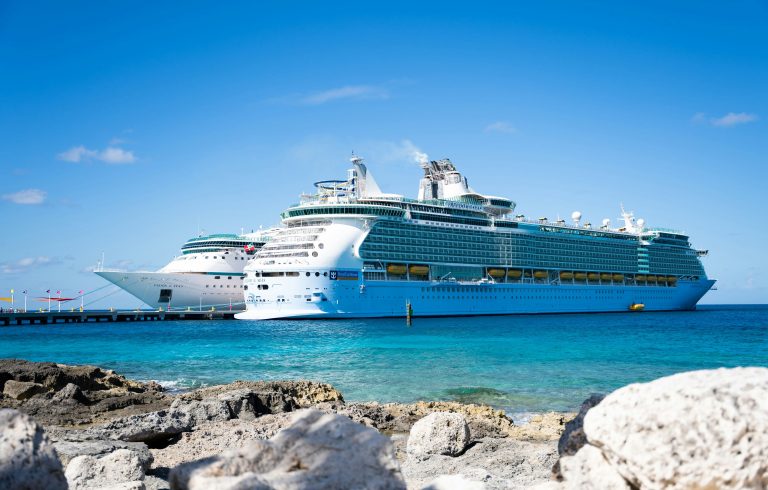
The difference was the ship they chose. One family had researched the ships before booking and picked Icon of the Seas, with its full-scale waterpark and enough onboard activities to fill two weeks. The other booked Freedom of the Seas after seeing a few social media photos, expecting the same scale of ship. Instead, they found a smaller, more low-key ship with two waterslides, a single FlowRider, and a more relaxed pace. It would have been perfect for a family looking to unplug, but not for one expecting a waterpark. Both are Royal Caribbean ships. They’re not close to the same trip.
Same week. Same destination. Same cruise line. Different trip.
When people explain how they chose a cruise line, it usually comes down to one of three things: they saw videos or photos on social media, they found a great deal, or they booked the newest ship. Without doing any further research, there’s no way to know if it’s actually the right trip for you.
This guide covers how to choose a cruise line and the ship you’ll sail on. For the full booking process, start with my how to book a cruise guide. The companion guides cover how to choose a cruise itinerary, the best time to go on a cruise, and cruise cabin types explained. When you’re ready to pay, there’s also a guide to cruise deposits, final payment, and booking perks. Together, they’ll help you choose a cruise that fits the vacation you actually want.
How Do You Choose a Cruise Line and Ship?
Start by comparing what each cruise line and ship offers, including fare inclusions, dining options, age policies, adult-only spaces, and onboard attractions. The lowest fare typically excludes drinks, Wi-Fi, specialty dining, and gratuities, so add those costs back in when comparing prices.
The newest ship in a fleet may have more attractions and venues, but it can also carry more passengers and have a busier, more activity-focused atmosphere. That might be exactly what you’re looking for, or it might be a reason to choose an older ship.
What Differs From One Cruise Line or Ship to the Next?
- Minimum age policy: Fleet-wide requirements and age restrictions for specific onboard venues
- What the fare includes: Drinks, dining, Wi-Fi, gratuities, and excursions
- Dining structure: Set dining times, flexible dining, or specialty-only options
- Dress expectations: Requirements for dinner, clubs, and informal spaces
- Casino: Whether there’s one and whether smoking is separated or prohibited
- Ship class and size: Differences that can affect the atmosphere as much as the cruise line itself
- Adult-only spaces: Whether the entire ship or individual venues are adults-only, and whether access is included or costs extra
- Youth programs and under-3 care: Available programs, age groups, and supervised care
- Excursions: Time in port versus sea days and onboard activities
What Stays the Same on Every Ship in a Cruise Line, and What Changes?
Some features are consistent across a cruise line, while others depend on the individual ship. Age policies, dining philosophy, casinos, and fare inclusions are brand-wide. Attractions, adult-only areas, and entertainment venues vary by ship, although ships in the same class tend to share many features.
Norwegian Cruise Line is a good example. Its Freestyle Dining, with no fixed dining time or pre-assigned table, is available across the fleet, whether you’re sailing on a Prima-class ship or an older Breakaway-class ship. But Ocean Boulevard, the 360-degree boardwalk, and The Drop, a 10-story free-fall dry slide, are features of Prima-class ships. You won’t find them on Norwegian’s older ship classes.
How to Check Before You Book
The check is simple: confirm the exact ship you’re booking, then look at what that ship offers. My guide to the biggest cruise mistakes covers common booking errors in more detail.
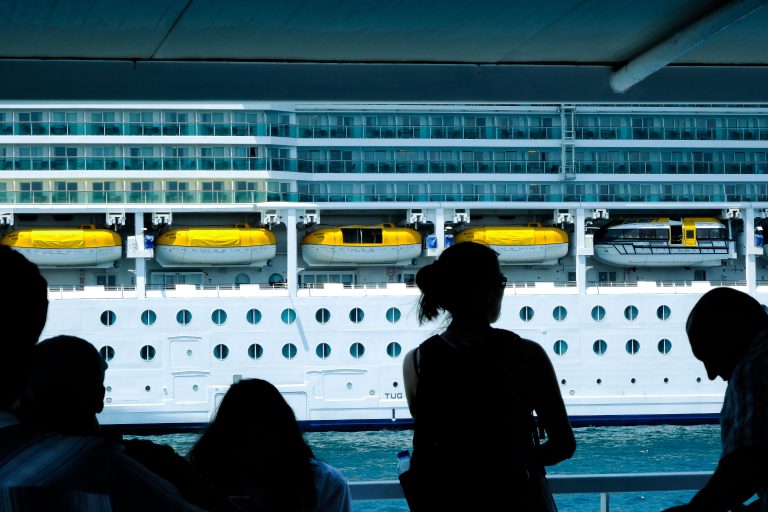
Insider Tip: Passenger count doesn’t tell you how crowded a ship will feel. Navigator of the Seas feels much more crowded than Oasis-class ships like Oasis of the Seas and Utopia of the Seas, even though those ships carry far more guests. Newer ships are designed to spread people out. Check the deck plan to see where the adult-only spaces and dining venues are located.
What the Fare Includes, and Why the Cheapest Fare Isn’t Always the Cheapest Trip
Your cruise fare covers your cabin, meals in the included dining venues, and most onboard entertainment. Every cruise line in this comparison also includes water, coffee, and tea, and many offer basic drinks like lemonade and iced tea. Specialty dining, Wi-Fi, gratuities, shore excursions, and most other drinks typically cost extra.
What’s included varies considerably by cruise line. Disney includes soda, Norwegian includes drinks and some specialty dining, and Virgin includes every restaurant on the ship. Before choosing a fare, add up the packages and extras you’ll actually use so you’re comparing the cost of the trip, not just the advertised price.
What Do Cruise Fares Include?
| Cruise line | Drinks | Restaurants | Wi-Fi | Shore excursions |
|---|---|---|---|---|
| Royal Caribbean | Water, tea, select juices, classic coffee | Some included, some extra | Extra | Extra |
| Carnival | Water, lemonade, iced tea, hot chocolate, non-specialty coffee and tea (dining room and Lido only) | Some included, some extra | Extra | Extra |
| Disney | Soft drinks, coffee, tea | Main restaurants, buffet, and quick bites included; adult-exclusive dining extra | Extra | Extra |
| MSC (Bella fare) | Coffee, filtered water, tea, some juices | Some included, specialty extra | Extra | Extra |
| Norwegian | Water, coffee, tea; unlimited specialty and alcohol drinks for guests 21+ with Free at Sea | Some specialty dining included with Free at Sea | 150 minutes per guest with Free at Sea | $50 credit per port for guest 1 on the booking, with Free at Sea |
| Princess | Coffee, filtered water, tea, some juices | Some included, specialty extra | Extra | Extra |
| Virgin Voyages | Drip coffee, still and sparkling water, non-pressed juice, soda, tea | All restaurants included; no buffet | Included | Extra |
Every cruise line in the table adds a daily gratuity or service charge to your bill. All except Virgin also charge gratuities on drink and dining packages, including those provided through Norwegian’s Free at Sea program. Include those charges when comparing fares, because the advertised price may not reflect what you’ll actually pay.
Is the Cheapest Cruise Fare the Best Deal?
The lowest advertised fare isn’t always the best deal. A cheaper cruise may have more costs outside the base fare, so look at what you’ll actually pay once you add the extras you want. Drinks, Wi-Fi, specialty dining, gratuities, and excursions often cost extra.
Insider Tip: Norwegian’s 150 minutes of Wi-Fi with Free at Sea are per person and cover email, messaging, and basic browsing, but not streaming. I used all 150 minutes in two days just checking email and texts. If you need to stay connected all week, the unlimited Voyage Wi-Fi Pass or Streaming Voyage Wi-Fi Pass is well worth buying. Free at Sea guests get a discount when purchasing in the app. Norwegian has also offered discounts onboard on days 1 and 2. If you prepurchase and find a lower onboard price, go to the internet desk and ask about the difference. I received an onboard credit for it.
What Does “All-Inclusive” Mean on a Cruise?
All-inclusive means different things depending on the cruise line and fare tier. One package might include unlimited excursions and drinks, while another includes neither. Regent, for example, includes unlimited excursions, while Oceania gives you a credit or wine and beer at meals. Check exactly what’s covered before booking.
| Cruise line | Shore excursions | Drinks | Wi-Fi | Gratuities | Flights |
|---|---|---|---|---|---|
| Regent (All-Inclusive fare) | Unlimited | Premium beverages, including wine, champagne, and spirits | Unlimited | Included | Optional add-on |
| Silversea | Credit on All-Inclusive Plus; none on All-Inclusive | Select fine wines, champagne, and spirits | Standard Wi-Fi included; Premium included in upper suites | Included | Optional purchase |
| Oceania | Credit, or wine and beer at meals (pick one) | Specialty coffees, sodas, juices, and water | Included | Included | Not included |
| Viking Ocean | One per port | Beer, wine, and soft drinks at lunch and dinner; coffees, teas, and bottled water | Included | Extra; added to your account automatically | Optional purchase |
These fares change often, so check each cruise line’s website before booking.
Flights, pre-cruise hotels, and airport transfers also depend on the cruise line and package. Regent’s top package includes flights and airport transfers, while its standard package includes a pre-cruise hotel night for Concierge-level suites and above. Silversea sells all three separately, and Viking includes transfers only when you purchase its airfare. Add anything that isn’t covered to your total before comparing prices.
Insider Tip: Price two realistic sailings the way you’d actually take them. Add the drinks, Wi-Fi, specialty meals, gratuities, excursions, flights, and pre-cruise hotel you know you’ll want, then compare the totals. The fare-to-fare comparison rarely tells the whole story.
Where Does the Entertainment on a Cruise Come From?
Some cruise lines make the ship itself the attraction, with neighborhoods, activities, and places to explore. Others focus on events, dining, enrichment, and service. Some cater to particular interests, whether you’re traveling with kids, love good food, prefer an adults-only atmosphere, or enjoy learning about your destinations. Each offers a different experience, even on similar itineraries.
The differences are often clearest when you compare ship classes rather than entire cruise lines.
Royal Caribbean’s Icon class, which includes Icon of the Seas, Star of the Seas, Legend of the Seas, and the upcoming Hero of the Seas, has eight named neighborhoods on each ship. Icon of the Seas alone has six waterslides, seven pools, and nine whirlpools.
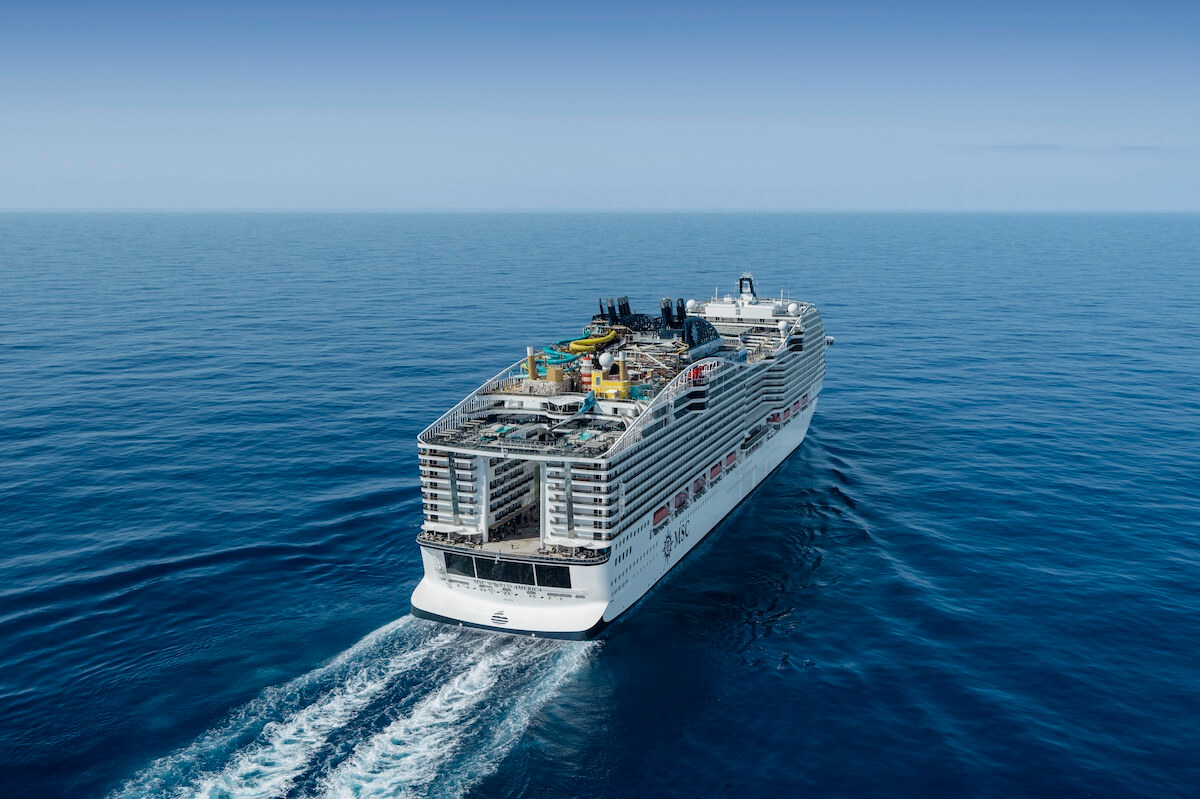
MSC’s World class, including World America, has seven themed zones and carries up to 6,762 guests at maximum capacity.
Norwegian’s Prima class also organizes the experience around distinct spaces. The Penrose Atrium spans three stories on Decks 6, 7, and 8, while Ocean Boulevard wraps around Deck 8 with two infinity pools and a food hall. Prima also has the multi-deck Prima Speedway go-kart track and a tidal wave waterslide.
Other cruise lines put more emphasis on the destinations themselves. Viking includes a shore excursion in every port, along with lectures and live music in the evenings. Princess also emphasizes destinations, pairing them with a classic, elegant style of cruising that stops short of luxury. Holland America offers destination-focused itineraries with an emphasis on elegance and service, attracting an older crowd.
Celebrity: Relaxed and Upscale, Not Luxury
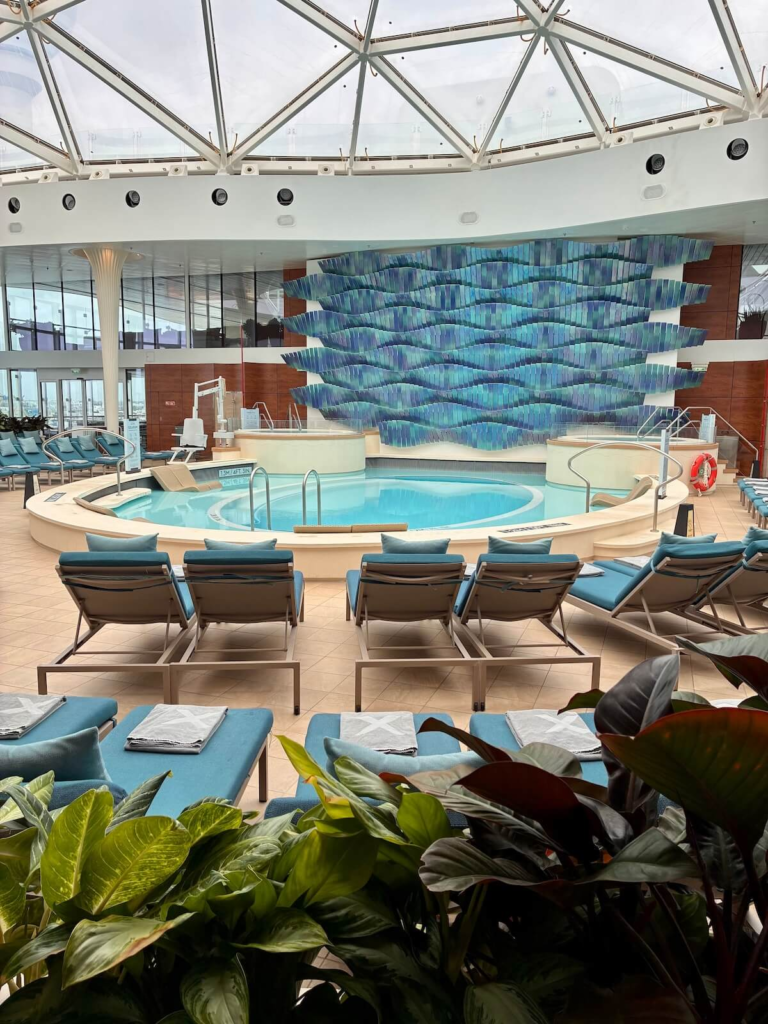
Celebrity falls between the louder, activity-focused Royal Caribbean and Carnival and the true luxury cruise lines. It offers a relaxed, upscale atmosphere while still welcoming families. Its Edge-class ships feature the Resort Deck, an outward-facing pool deck with the Rooftop Garden, an open-air lounge with live greenery, and the adults-only Solarium.
Carnival: A Party Cruise Line and a Family Cruise Line
Carnival is both a party cruise line and a family cruise line. Its entertainment is social, with deck parties, karaoke, comedy, live music, and Playlist Productions, its fleetwide musical stage shows. Carnival has also been working to move beyond its drinking-party reputation by adding bigger, Royal Caribbean-style attractions. These include the BOLT roller coaster at sea on Carnival Celebration, Carnival Jubilee, and Mardi Gras, and the Sky Zone trampoline park on Carnival Panorama.
What Cruise Lines Cost, in General
Cruise fares fall into rough price ranges. Carnival and MSC tend to be the least expensive, with Norwegian and Royal Caribbean in the middle, although Royal Caribbean’s prices have been rising. Celebrity and Princess generally cost more, while Virgin and Disney sit at the premium end.
Do Cruise Lines Enforce Dress Codes?
Most cruise lines don’t strictly enforce their formal or themed nights. Norwegian, Royal Caribbean, and Carnival all have them, but in my experience, fewer than 40% of guests follow them. Royal Caribbean’s and Norwegian’s White Night and Virgin’s Scarlet Night are exceptions, with most guests joining in.
How Dining Structure Differs Between Cruise Lines
Dinner works differently depending on the cruise line, and some offer more than one dining style. Your choice affects when you eat, who serves you, and how much planning you’ll need to do ahead of time.
What’s the Difference Between Freestyle, Rotational, and Assigned Cruise Dining?
Freestyle Dining lets you choose when and where to eat each night, without a set table or time. Rotational dining takes you through different themed restaurants with the same servers. Assigned dining keeps you at the same table, at the same time, with the same waitstaff throughout the cruise.
Norwegian’s Freestyle Dining has no fixed dining time or assigned table. You can choose a different restaurant, table, and dining companions each night, with up to three main dining rooms per ship plus specialty venues. Make a reservation or walk up when you’re ready, although you may have to wait for a table without one.
Disney’s rotational dining moves your family through different themed restaurants while the same service team follows you. You’ll eat somewhere different each night with familiar servers.
Royal Caribbean offers three dining options. With traditional assigned dining, you select early or late seating when booking and keep the same table and waitstaff throughout the cruise. My Time Dining gives you the flexibility to choose your dining time each night, similar to Norwegian’s Freestyle Dining.
The third option, My Family Time Dining, is for children ages 3 to 11. Children eat during the first main dining seating, with the goal of finishing dinner within 45 minutes. Parents then walk them to the main dining room entrance, where Adventure Ocean staff check them in and take them to evening activities while the parents finish dinner. The program starts on the second evening onboard.
Carnival offers traditional assigned dining, with early or late seating at the same table with the same waitstaff, or Your Time Dining. With Your Time Dining, there’s no fixed seating time. Check in through the HUB app when you’re ready to eat, although you may have a short wait if no tables are available.
Do You Need to Reserve Specialty Restaurants in Advance?
Reserve ahead. Royal Caribbean recommends reservations for specialty restaurants, especially on popular sailing dates. Norwegian holds your table for only 15 minutes and charges $10 per person if you haven’t canceled or changed your reservation at least two hours in advance.
Norwegian uses a flat cover charge at its specialty restaurants, meaning you pay a set price to dine there. This replaced per-dish pricing for sailings beginning January 1, 2025.
For help deciding which restaurants to book, my best specialty restaurants guide compares specialty dining options across cruise lines.
What Does “Adults-Only” Mean on a Cruise?
Adults-only can mean two different things on a cruise. Some cruise lines accept only guests ages 18 and older across their entire fleet. Others welcome families but designate certain pools, lounges, and spas as adults-only spaces. Depending on the ship, access may be complimentary or cost extra.
Which Cruise Lines Are Adults-Only?
Three cruise lines have adults-only policies across their fleets: Virgin Voyages and Viking, which require all guests to be at least 18, and Oceania, which announced its transition to adults-only cruising for new reservations made from January 7, 2026. Existing Oceania bookings with guests under 18 may still sail. You shouldn’t assume every Oceania sailing will be entirely adults-only.
Virgin has a social atmosphere, lively nightlife, good restaurants, no traditional buffet, and entertainment that runs late. Viking is quieter, focusing on the destinations and what you can learn about them, with fewer onboard attractions. Oceania emphasizes food and the ports it visits. Adults-only doesn’t necessarily mean quiet. Virgin and Viking offer very different experiences.
Which Cruise Ships Have Adults-Only Areas?
Royal Caribbean, Norwegian, Disney, MSC, and Carnival all offer adults-only areas, although availability varies by ship. Some are complimentary, while others cost extra. The main examples are Royal Caribbean’s Solarium, Norwegian’s Spice H2O, Disney’s Quiet Cove, MSC’s Aurea Spa, and Carnival’s Serenity retreat.
Royal Caribbean: The Solarium is the main adults-only space, complimentary and 18+. Children can pass through it because elevators open into the area on some ships, and the Solarium Bistro is located inside. Icon of the Seas, Star of the Seas, and Legend of the Seas each have two 18+ pools: The Hideaway and Swim & Tonic, which has a swim-up bar.
Norwegian: Spice H2O is complimentary and 18+ on many ships. Some keep it adults-only all day, while others open it to all ages at night for entertainment, so check the posted hours onboard. The Vibe Beach Club is a separate 18+ area requiring a pass for the full cruise, with limited availability on each sailing. Drinks aren’t included, cabanas cost extra, and capacity and pricing vary by ship.
Disney: Every ship has adults-only spaces, including nightclubs and lounges, a spa and salon, a fitness center, and restaurants such as Palo and Remy. Most ships also have Quiet Cove, an adults-only pool. Disney Adventure is the exception, offering family-friendly pools instead.
MSC: The Aurea Spa and thermal area are adults-only. MSC World America also has the adults-only Zen Area, separate from Family Aventura and the Yacht Club.
Carnival: The Serenity Adult-Only Retreat is a complimentary outdoor space for guests 21 and older, available on every ship except Carnival Adventure and Carnival Encounter.
Cruise Lines That Lean Toward Adults but Still Welcome Children
Some cruise lines cater primarily to adults while still welcoming children.
Celebrity offers Camp at Sea for ages 3–12 and a teen program for ages 13–17, but no care for children under 3. Princess and Holland America also have youth programs, although most of their onboard experience is geared toward adults.
The deck plan can tell you a lot about whether a ship is designed for families or adults. Look at how much space is dedicated to children’s activities. What it can’t tell you is how many children will actually be aboard, and no one can predict that in advance.
Sailing when U.S. schools are in session is one way to improve your chances of a less family-heavy cruise. Non-holiday weeks during the school year generally have fewer families with school-age children. My when to go on a cruise guide covers when to sail in more detail.
Choosing a Cruise Line When You’re Traveling With Children
If you’re traveling with children, pay close attention to age requirements, supervision, and program availability. These vary by cruise line and ship, especially for children under 3. Some programs are complimentary, others charge a fee, and some require a parent to stay with the child.
Which Cruise Lines Have Childcare and Kids’ Clubs?
Disney, Royal Caribbean, Norwegian, Princess, and Celebrity all offer kids’ clubs for ages 3 and up. Disney and Royal Caribbean also have drop-off nurseries for younger children, although Royal Caribbean’s aren’t available on every ship. Norwegian’s under-3 program requires a parent to participate, while Celebrity doesn’t offer care for children under 3.
Disney: Offers a fee-based group nursery for children approximately 6 months to 3 years old, including on port days, subject to availability. Oceaneer Club and Oceaneer Lab welcome fully toilet-trained children ages 3 to 10, while Edge and Vibe serve tweens and teens.
Royal Caribbean: The Royal Babies & Tots Nursery offers day and evening drop-off sessions for children ages 6 to 36 months. Fees may apply, and the nursery is available only on select ships. Jewel of the Seas, Adventure of the Seas, and Explorer of the Seas don’t have one, although that list can change as ships undergo scheduled refits. Check your specific ship before booking.
Adventure Ocean, the complimentary youth program, has three age groups: Aquanauts (3–5), Explorers (6–8), and Voyagers (9–11). Teens ages 12–17 have their own lounge and nightclub, with more freedom to come and go.
Norwegian: Guppies is a parent-and-child program with no drop-off option. Splash Academy and Entourage are complimentary for older children and teens while the ship is sailing. Parents can authorize children ages 10–12 to sign themselves out of Splash Academy. Late Night Fun Zone costs extra, and Norwegian Spirit doesn’t offer youth programs.
Princess: Camp Discovery has groups for ages 3–7 and 8–12, plus a separate space for teens ages 13–17. Children under 3 can participate only when accompanied by a parent.
Why the Ship Matters Almost as Much as the Cruise Line
Ships in the same fleet can differ considerably in size, layout, and features, from how many guests they carry to whether they have an adults-only pool. Royal Caribbean’s nursery, for example, is available only on select ships.
Is a Bigger or Newer Cruise Ship Better?
Bigger and newer ships offer more attractions and venues, but they also tend to carry more guests. If you’re looking for a quieter cruise, an older, smaller ship in the same fleet may be a better fit, often at a lower price.
These four recent ships show how much size can vary. Guest counts are based on double occupancy (two guests per cabin), while gross tonnage measures a ship’s enclosed volume. Cruise lines may also publish a higher maximum passenger capacity, so make sure you’re comparing the same figures.
| Cruise line | Ship | Guests (double occupancy) | Gross tonnage |
|---|---|---|---|
| Royal Caribbean | Legend of the Seas | 5,610 | 248,663 |
| MSC | MSC World America | 5,228 est. | 216,638 |
| Carnival | Carnival Jubilee | 5,362 | 183,521 |
| Norwegian | Norwegian Luna | 3,565 | 154,140 |
Tonnage alone won’t tell you how crowded a ship will feel. Layout matters more. Look at the amount of indoor and outdoor space, whether quieter areas are separated from busy attractions, and how dining and entertainment venues are spread throughout the ship.
Suite Enclaves and Smaller Ships
If you want a quieter, more private experience without giving up the attractions and amenities of a large ship, a suite enclave may be a good fit. For a true small-ship or expedition experience with the benefits of a suite, look at the luxury small-ship cruise lines.
Ship-Within-a-Ship Suite Products
Ship-within-a-ship products give suite guests access to private facilities that other passengers can’t use. The major options are Norwegian’s Haven, MSC Yacht Club, and Celebrity’s Retreat. None are adults-only, and you’re still sailing on a large ship. MSC Yacht Club, for example, requires a key card to enter.
- Norwegian Haven: Suites with 24-hour butler and concierge service, plus a private restaurant, lounge, pool, and sundeck.
- MSC Yacht Club: Suites with 24-hour butler and concierge service, plus a private restaurant, the Top Sail Lounge, a pool and sundeck, and premium drinks included.
- Celebrity Retreat: Suites with a dedicated butler, the private Luminae restaurant, and an exclusive lounge. A private sundeck is available on some ships only.
The cruise cabin types guide explains these suite products and what each includes. For more detail, see my guides to the Norwegian Haven and MSC Yacht Club.
Small Ships: Port Access and Luxury
Small ships aren’t always about luxury. Travelers choose Windstar and Azamara largely for their ability to reach harbors that bigger ships can’t and spend more time in port. Silversea and Seabourn attract travelers looking for higher levels of service and more included in the fare.
Azamara’s spring, summer, and fall 2028 sailings show just how much time a small ship can spend in port. The ships are scheduled to spend 87% of the deployment in port, with more than 360 late nights and overnight stays accounting for 53% of port days. Its Extended Destination Days give you 10 or more hours in port.
My cruise itinerary guide covers the regions where small-ship port access makes the biggest difference.
What Is an Expedition Cruise?
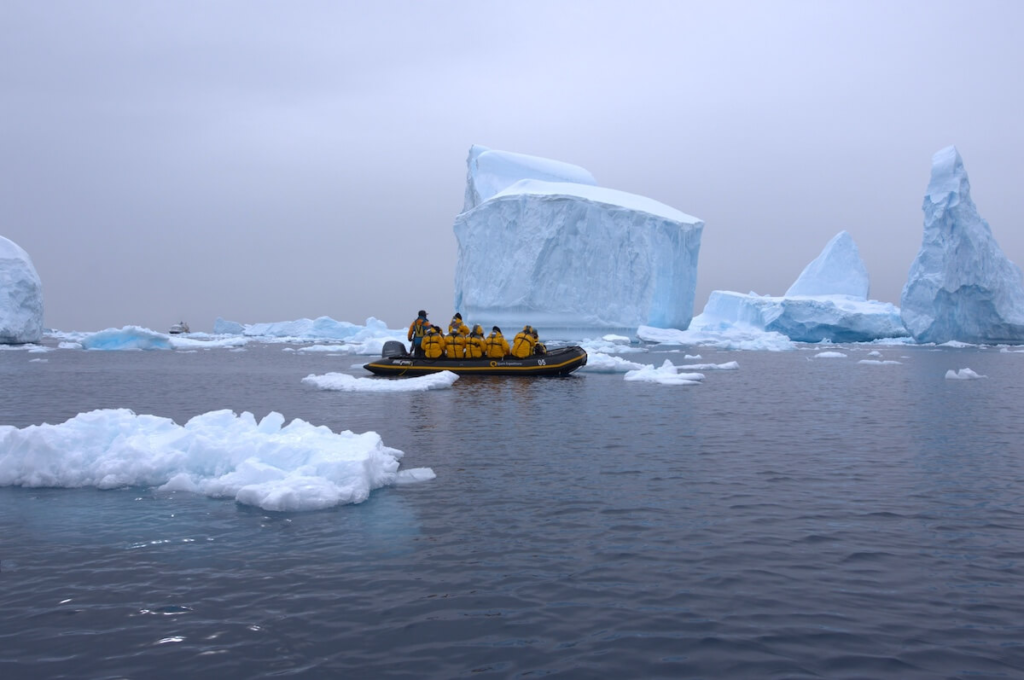
An expedition cruise uses a small ship as a base for exploring remote destinations with little or no port infrastructure, such as Antarctica. Guests travel ashore in small inflatable boats called Zodiacs, with an onboard team of naturalists and guides leading the landings.
Antarctica is a good example of why ship size matters. IAATO, the Antarctic tour operators’ association, limits landings to 100 people at a time at each site. Ships carrying more than 500 passengers can’t land anyone. A 100-passenger ship can put everyone ashore at once.
Small ships can also reach Caribbean ports that larger ships can’t. Seabourn’s Caribbean itineraries include St. Barts, Bequia, and Little Bay, Montserrat. Its expedition ships, Seabourn Venture and Seabourn Pursuit, each carry 264 guests, 24 Zodiacs, and an expedition team.
Matching a Cruise Line to Your Group
The same ship can be a great fit for one group and the wrong choice for another. A first-timer who loves theme parks may want thrill attractions and characters. A group of nine needs to know how many people can sleep in one cabin. A traveler using a wheelchair needs an accessible cabin and a plan for ports where the ship anchors offshore and passengers use small tender boats to reach land.
First-Time Cruisers
For theme-park-style thrills without the characters, look at Royal Caribbean’s Icon-class ships (Icon of the Seas, Star of the Seas, and Legend of the Seas, with Hero of the Seas due in 2027) or MSC’s World-class ships (World Europa and World America, with World Asia and World Atlantic still to come). Both organize their attractions into neighborhoods or districts. The Icon class has the Category 6 waterpark and AquaDome, while MSC World America has the Cliffhanger swing ride over the water and an 11-deck dry slide.
For character experiences, Disney is the choice. Characters appear throughout the ship and at scheduled meet-and-greets, with the Navigator app showing where to find them. Disney Wish has a character dinner, Arendelle: A Frozen Dining Adventure, and Pirate Night on most Caribbean sailings ends with fireworks at sea.
Carnival offers the BOLT roller coaster at sea on Carnival Celebration, Carnival Jubilee, and Mardi Gras. You’ll also find the Punchliner Comedy Club, deck parties, karaoke, and live music at RedFrog Pub.
For a more secluded resort atmosphere, consider a ship-within-a-ship enclave. You’ll get private sun decks, pools, and restaurants while keeping access to everything on the larger, busier ship.
If nightlife is your priority, look at Virgin Voyages. It’s adults-only, with all guests 18 or older. Scarlet Night is a ship-wide party on every voyage, and its nightclub, The Manor, stays open late.
A 4- or 5-night sailing can be a good way to try cruising without committing to a full week, but it may not give you an accurate picture of the cruise line. Short sailings often use different ships than the cruise line’s signature itineraries, attract a different crowd, and have a different port schedule and pace. To get a real feel for a cruise line, book the type of ship you want.
Multigenerational Groups
A multigenerational trip doesn’t automatically mean choosing a family cruise line. Start by deciding how much time everyone wants to spend together.
Disney makes it easier to keep the group together. Its rotational dining keeps the same servers with you every night, while characters and kids’ clubs give families shared activities. Norwegian’s Freestyle Dining has no fixed dining time or table, so different parts of the group can eat separately one night and together the next. Royal Caribbean’s Icon-class ships offer Adventure Ocean for children and adults-only pools like The Hideaway and Swim & Tonic, giving different age groups their own spaces.
Check cabin capacity before booking because it varies by ship. Some Royal Caribbean cabins sleep up to nine guests, while MSC World America has 40 staterooms that accommodate six.
Accessibility Needs Come First
Accessibility needs, including wheelchair access, mobility-device accommodation, tender-port limitations, and accessible excursions, can rule out a cruise line, ship, or itinerary. What works depends on the specific ship and ports, and either they meet your needs or they don’t. Confirm accessibility directly with the cruise line before booking anything else.
The ADA applies to cruise ships in U.S. waters, including foreign-flagged ships. In Spector v. Norwegian Cruise Line(2005), the Supreme Court held that requirements such as the ban on charging disabled passengers higher fares apply to foreign ships, while the ADA can’t require permanent, significant structural changes to the ship itself. Barrier removal is required only where it’s “readily achievable.”
The Access Board proposed design guidelines for large passenger ships in 2013, but they haven’t been adopted as binding rules. Accessibility therefore varies by ship. My cruising with a wheelchair guide explains the law and what each cruise line provides.
The cruising with a disability guide covers each cruise line’s accessibility department and the rest of the series.
Comparing Cruise Lines and Ships Together
A cruise line may seem like the perfect fit until you compare its individual ships. The overall style may be similar across the fleet, but one ship might offer more quiet spaces, another might be filled with attractions, and another might feel busier because of its size and layout.
Knowing how to choose a cruise line means looking beyond the brand and making sure the ship you’re booking offers the experience you want.
Next Steps
Private islands are different for each cruise line, so our guides cover them one at a time: Perfect Day at CocoCay for Royal Caribbean, Great Stirrup Cay and Harvest Caye for Norwegian, and Ocean Cay for MSC.
Travel safe.
— Rick Hayes, Travel Safety Authority
Conditions change fast. Verify current advisories at travel.state.gov before your trip. This article is general information based on my experience, not professional security advice. See the full Disclaimer.