Best Time to Go on a Cruise: Weather, Crowds, and Prices
The best time to go on a cruise depends on where you’re headed and what matters most to you, whether that’s good weather, smaller crowds, or lower fares.
Picking your dates is only part of planning a cruise. You’ll also need to choose a cruise line, decide where you want to go, and find the right cabin. Together, those are the four decisions covered in this series. This article focuses on when to sail. My guide to booking a cruise walks you through the entire process if you’re starting from scratch.
Each of the other three decisions has its own guide. You can explore how to choose a cruise line, find the right destination with how to choose a cruise itinerary, or compare your options in cruise cabin types explained. When you’re ready to reserve, my guide to cruise deposits, final payment, and booking perks covers what happens next.
Current as of November 2026. Seasons, schedules, and cruise line policies change, so confirm the details on the cruise line’s own itinerary page before you book.
What Is the Best Time to Go on a Cruise?
There isn’t one best month for every cruise. It depends on where you’re going and what you care about most. Good weather, calm seas, small crowds, low prices, and reliable itineraries rarely arrive together, so you’ll usually trade one for another.
For Alaska, June is a particularly good choice. The best chances for warm, dry weather run from April through early July, with the fewest windy days in June and July. Those are also prime months for whale watching, and June gives you the longest days for sightseeing. July and August bring the summer crowds, while May and September can be less expensive and less crowded.
The Caribbean is a different story, and weather can vary quite a bit from one island to another. For example, rainfall records from Barbados show February through April as its driest stretch. Those months overlap with spring break, so don’t expect every sailing to be quiet. September and October can offer some of the lowest fares across the region, but you’ll be traveling during hurricane season. I think those months are worth considering, as long as you’re comfortable with the possibility of itinerary changes.
What Is Cruise Shoulder Season?
Cruise shoulder season is the period between peak and off-season, when demand and fares tend to drop. It’s a chance to enjoy popular destinations with fewer crowds while still getting good weather. The tradeoff is that conditions can be less predictable, daylight hours may be shorter, and some attractions may have reduced hours.
Shoulder season isn’t always a bargain, though. Holiday sailings can still be expensive and crowded, even during an otherwise quiet time of year. Near the beginning or end of a destination’s season, check whether the attractions you want to visit will be open.
Cruise Season and Weather by Destination
| Destination | Cruise season and busiest periods | Weather and storm considerations |
|---|---|---|
| Caribbean & Bahamas | Year-round. Busiest during summer, spring break, and December holidays. | December–April generally brings good beach weather. Hurricane risk is greatest in late summer and early fall. |
| Alaska | Late April–early October. July and August are busiest. | April–early July offers better odds of warmer, drier weather. Rain increases after mid-July, with October typically the wettest month. |
| Mediterranean | April–October for most itineraries. June–August is peak season. | July and August can be very hot. May and September are more comfortable for sightseeing. Swimming water warms through June. |
| Northern Europe | Mostly May–September. July and August are busiest. | Summer brings warmer weather and long days. September and October are cooler, with less daylight. |
| Bermuda | Late March–early November for regular round trips. May and June are popular. | Warm, humid summers, with temperatures in the 80s. Storm risk is greatest August–October. |
| Canada & New England | Mostly May–October. Fall foliage sailings are popular and can fill early. | July and August are warmer. Spring is cooler, while fall brings foliage and cooler temperatures, usually peaking from late September to mid-October depending on location. |
| Hawaii (inter-island) | Year-round aboard Norwegian’s Pride of America. December–March is prime whale-watching season. | Temperatures are fairly consistent year-round. April–October is generally drier; winter brings more rain. |

Best Time to Go by Destination: My Picks
My idea of a great cruise includes plenty of sightseeing, people watching, craft cocktails, and beautiful scenery. I’m happy to spend some time swimming, too, but I’d rather find a quiet beach than fight for a spot in the sand.
For the Caribbean and Bahamas, I’d pick October into early November. Fares tend to be lower, the crowds are smaller, and I don’t mind taking the chance that a storm might change a port stop or two.
Bermuda would be June for me. The water is warm, and it’s a great time to get out and explore the island on foot.
For the Mediterranean, September wins. You get past the worst of the July and August heat, and fares start coming down again.
In Hawaii, I’d go in March. You get some whale watching, and the water is getting warm enough for comfortable swimming.
Alaska is a June trip for me. You have the best odds of warmer, drier weather, long days for sightseeing, and peak whale season, all before the July and August rush.
I’d choose June or July for Northern Europe, when the weather is at its nicest and there’s plenty of daylight to enjoy each stop.
For Canada and New England, I’d go in October. The fall foliage is the big attraction, and that’s exactly when I’d want to see it. Keep in mind that these cruises can fill up early, and the season overlaps with the busiest stretch of Atlantic hurricane season.
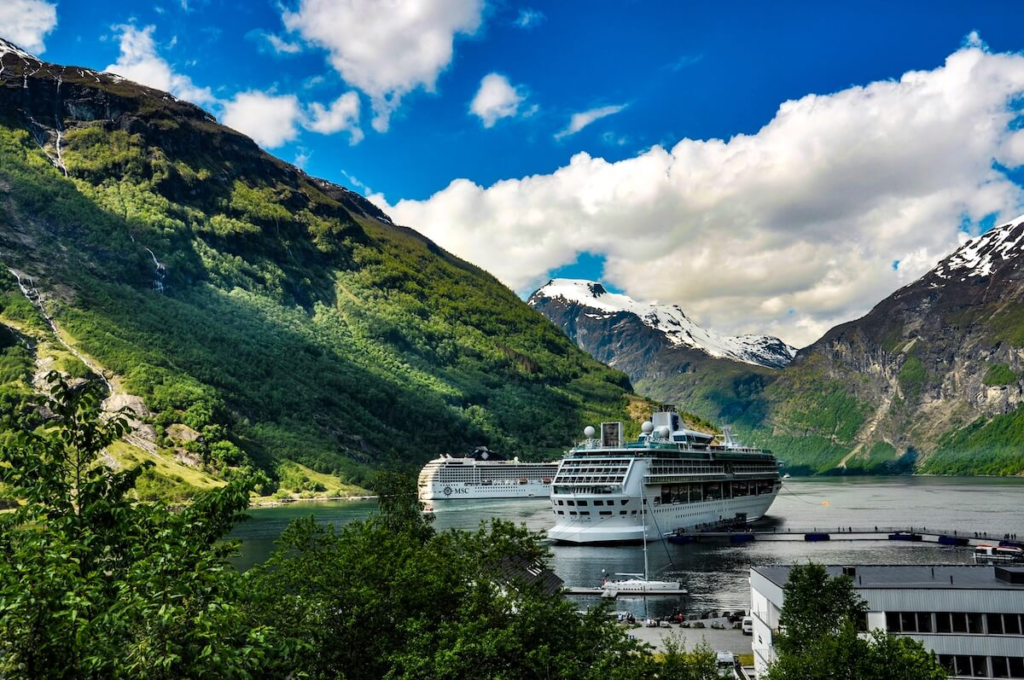
Weather, Storms, and Rough Seas
Storms can make ships miss ports, and wind and ocean swell can make time at sea less comfortable.
Is It Safe to Cruise During Hurricane Season?
Cruising during hurricane season is generally safe, but storms can disrupt your vacation. Cruise lines monitor weather forecasts and reroute ships when necessary to avoid dangerous conditions. Be prepared for your plans to change if you book during hurricane season.
Hurricanes are forecast days ahead, and a ship can change course or speed to stay clear of one. If a storm threatens your sailing, check your cruise line’s website or app for updates before you head to the port.
What Happens If a Storm Changes Your Itinerary?
If a storm gets in the way of your planned route, your cruise line might swap ports, add a sea day, or change the schedule. Don’t count on a refund for missed ports. Cruise lines typically don’t compensate passengers for weather-related itinerary changes, although some may offer onboard credit or other gestures of goodwill.
I’d pay just as much attention to your flights and hotels as your cruise fare. A storm that delays your ship’s return can turn a nonrefundable flight home into an expensive problem. Flexible airfare and refundable hotel reservations give you some breathing room if plans change.
I also recommend travel insurance for cruises during hurricane season. Buy it early, ideally within the first few weeks of paying your deposit. Some policies offer broader cancellation options, including optional Cancel For Any Reason coverage, but you typically need to purchase them within a specific window after your first trip payment.
Don’t wait until a storm is named. Once a storm becomes a foreseeable event, coverage for losses related to that storm may no longer be available. Check the deadlines, cancellation benefits, and named-storm provisions before choosing a policy. You can compare plans through RoamRight, and my guide to travel insurance for a cruise explains what to look for.
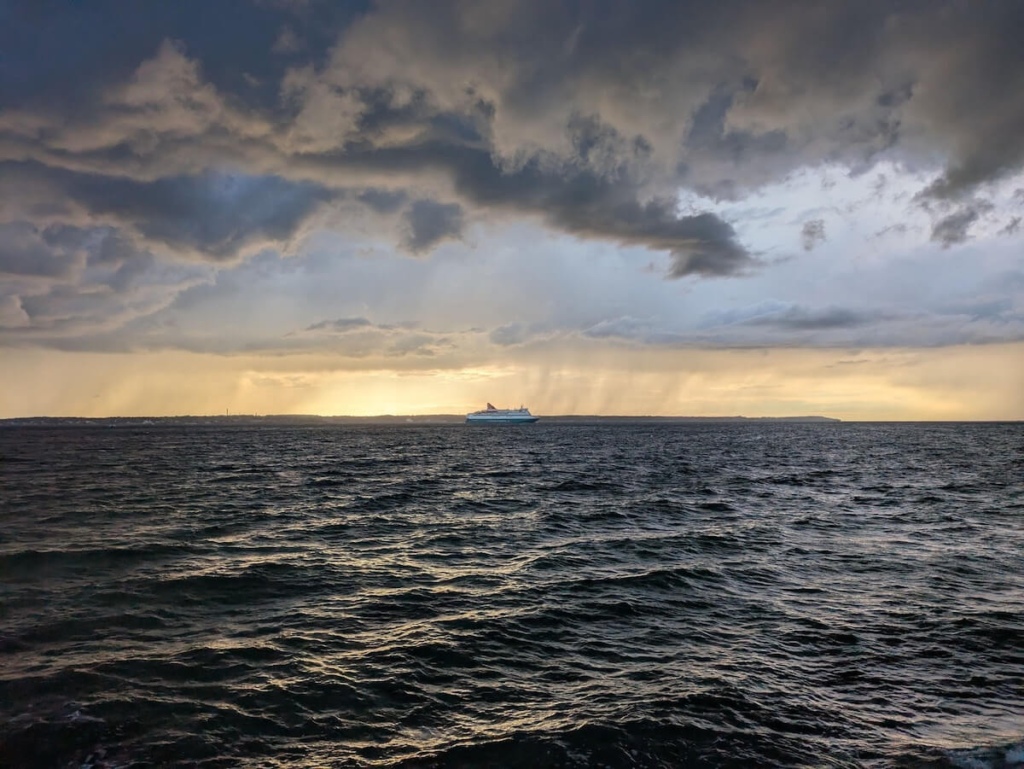
When Are the Seas Calmest for a Cruise?
It depends on where you’re going. In the Caribbean, spring and early summer generally bring calmer water. For Alaska, June and July have the fewest windy days in Southeast Alaska. In the Mediterranean, conditions tend to settle down by May.
Calm seas aren’t guaranteed anywhere. My guide to the fear of cruising covers what to expect if you’re concerned about feeling the ship move.
Insider Tip: Bigger ships generally handle rough water better than smaller ones, but no ship is immune to motion. If you’re looking at a spring Caribbean cruise for calmer seas, compare dates on either side of the busy spring break weeks. You may find better fares without giving up the seasonal advantage.
Is There a Bad Time to Go on a Cruise?
Not really. It comes down to what you want from the trip. A hurricane-season Caribbean sailing can be the wrong choice for someone who needs a fixed itinerary, but a bargain for someone who wants lower fares and smaller crowds.
When Are Cruises Least Crowded?
Cruises tend to be quieter when schools are in session and there are no major holidays. September through November can be a good time to look, especially outside holiday weeks. You’ll often find fewer families with school-age children, although that doesn’t necessarily mean fewer passengers. Ships can still sail full during these periods.
School calendars are a useful starting point, but they aren’t the whole story. The Mediterranean, for example, is popular with families during summer vacations, while spring and fall attract travelers who prefer to explore without the peak-season crowds. You may find fewer children onboard, but that doesn’t guarantee a quiet ship.
The ports matter too. You can have a relaxing day onboard and still arrive in a town packed with cruise passengers. Some destinations limit how many passengers can come ashore in a day. Juneau, for example, agreed to a daily cap of 16,000 cruise passengers, or 12,000 on Saturdays, starting in 2026. A cap helps manage congestion, but it doesn’t guarantee an uncrowded port, so check how many ships are scheduled in on your day before you pick a sailing. My cruise itinerary guide explains what to look for when comparing ports.
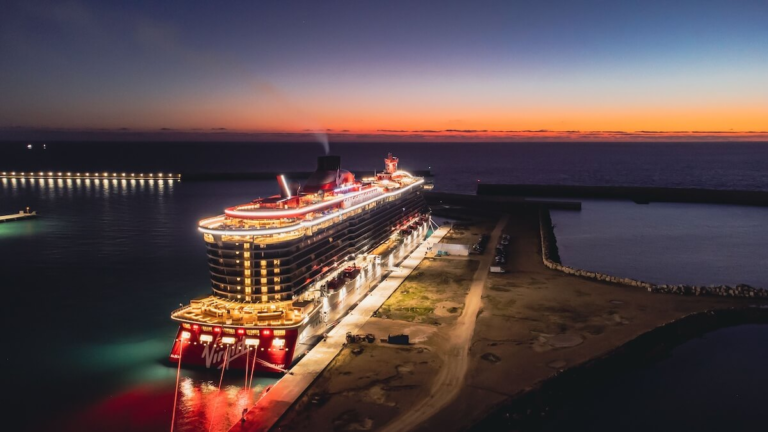
There’s another option for cruising without children onboard. Virgin Voyages, Viking, and Oceania have fleet-wide adults-only policies. Oceania began accepting only guests ages 18 and older for new reservations made January 7, 2026, onward. With these cruise lines, you don’t need to plan around school vacations to avoid sailing with children. My guide to choosing a cruise line covers their different onboard experiences.

When Is the Cheapest Time to Go on a Cruise?
Fares depend on the destination, demand, and time of year, so no single month is the cheapest for every cruise. You’ll often find better prices just before or after a destination’s busiest season, or between major holidays. The best way to find a deal is to compare prices for the same ship and itinerary across several departure dates.
For me, late November into early December has become my favorite time for a Caribbean cruise. I specifically look for sailings between Thanksgiving and Christmas because fares tend to be lower during those weeks. Over the past four years, I’ve sailed the Southern Caribbean on Oasis of the Seas and the Western Caribbean on Norwegian Prima. For 2026, we chose the Eastern Caribbean on Norwegian Escape. I’ve found a time of year that works well for my budget and gives me the chance to explore different parts of the Caribbean.
That’s something I’d encourage other cruisers to try. When you find a time of year that works for your schedule, budget, and travel preferences, take the trip. Pay attention to what you liked and what you’d change. That experience can help you make better choices when you’re booking the following year.
Holiday pricing is still worth watching. A sailing in early December might cost considerably less than the same ship over Christmas or New Year’s. Even shifting your departure by a week or two can make a difference, so compare a few dates before committing. Check what each fare includes, not just the price, since promotions like onboard credit or a drink package can differ from one sailing to the next.
A Checklist for Picking Your Dates
Before settling on a departure date, here are a few things worth checking:
- What matters most to you? Better weather, calmer seas, lower fares, fewer crowds, or visiting every port on your itinerary?
- What’s the weather risk? Check storm seasons for the destinations you’ll be visiting and decide how comfortable you are with possible itinerary changes.
- How busy will it be? School vacations and major holidays can affect fares, the number of families onboard, and crowds in port.
- Are you sailing early or late in the season? You might find better fares, but weather conditions, daylight hours, and activities ashore can be different.
- Have you compared nearby departure dates? Look at the same ship and itinerary a week or two before and after your preferred sailing. You might find a better price without changing your plans much.
- How flexible are your travel arrangements? During storm-prone periods, refundable flights, flexible hotels, and appropriate travel insurance can help protect your trip.
The best time to go on a cruise for me is a time of year that fits my budget and the kind of trip I want. Part of the excitement is the planning. I love getting an idea of where I want to go next, then spending a couple of weeks researching it.
Next Steps
After you book, the 90-day cruise checklist lays out the preparation timeline. For weather-related disruptions, the guide to travel insurance for a cruise explains what to look for.
Travel safe.
— Rick Hayes, Travel Safety Authority
This article contains affiliate links. If you purchase, book, or make a reservation through a link on this page, I may earn a small commission at no additional cost to you. Affiliate relationships include but are not limited to Amazon Associates, Viator, RoamRight, and other travel and product partners. This does not influence my recommendations — I only link to products, services, and experiences I would genuinely recommend to my own clients. Travel insurance recommendations are provided for informational purposes only. I am not a licensed insurance agent. Please review all policy details carefully before purchasing. See my full Disclaimer for details.
Conditions change fast. Verify current advisories at travel.state.gov before your trip. This article is general information based on my experience, not professional security advice. See the full Disclaimer.