Norovirus on Cruise Ships: What the CDC Data Shows
If you’ve spent any time researching your next sailing, you’ve probably seen a headline about a “cruise ship outbreak” and wondered how worried you should actually be. The honest answer is: not very, if you understand what’s actually happening — and a little more informed than you were five minutes ago is exactly where I want to leave you. I’ve spent a career reading data and translating it into something people can actually use, and that’s what we’re doing here. This isn’t a scare piece. It’s a look at what the CDC’s own numbers say about norovirus on cruise ships, what else shows up on that list that isn’t norovirus, and what genuinely helps.
If you’re here for the fun side of cruise dining too — the best buffets on every major line, the late-night spots, what I actually watch for in the food lines — I cover all of that in The Real Cruise Ship Buffet Guide. This article is the deeper dive on the safety side of the same topic.
The Numbers Behind Norovirus on Cruise Ships
Every year, the CDC’s Vessel Sanitation Program (VSP) publicly posts outbreaks that meet two conditions: the ship is sailing between a U.S. and foreign port, and at least 3% of passengers or crew report symptoms to the ship’s medical staff. In 2025, that produced 23 posted outbreaks — and 17 of them were caused by norovirus. That’s the headline number, and it’s the one worth remembering: norovirus is, by a wide margin, the most common cause of reported gastrointestinal illness on cruise ships. It’s also worth knowing that cruise ships account for only about 1% of all norovirus outbreaks reported nationwide — most happen in healthcare facilities and restaurants on land. Cruises get outsized attention because a ship is a closed, well-monitored environment where reporting is mandatory. On land, most norovirus cases never get reported to anyone.
Individual risk is smaller than the headline count suggests. A 2016 CDC study covering 2008–2014 found a cruise passenger’s odds of a lab-confirmed norovirus case during a shipboard outbreak were about 1 in 5,500 — worth keeping in mind the next time an outbreak headline comes across your feed.
A Recent Example: Ruby Princess
The most recent case is a good, low-drama illustration of how this actually plays out. In late June 2026, the Ruby Princess wrapped up a 20-day round-trip voyage from San Francisco to Alaska with a stop in British Columbia. The CDC was notified on June 28 that 125 people aboard — 102 passengers and 23 crew, out of 4,176 total — had reported symptoms consistent with norovirus. That’s just over 3%, the exact threshold that triggers public posting.
The crew increased cleaning and disinfection, isolated sick passengers and crew, and collected samples for testing — standard outbreak response, and it worked as intended. According to CDC reporting, it was the third norovirus outbreak on a Princess ship in 2026, more than any other line this year, which is useful context if you’re booking with them: it doesn’t mean avoid the line, it means the reporting system is doing exactly what it’s supposed to do.
It’s Not Always Norovirus on Cruise Ships
Here’s something worth understanding that most cruise content skips entirely: not every posted outbreak is norovirus, and the distinction actually matters for how you protect yourself.
E. coli on the Seven Seas Mariner and Oceania Insignia
Two of 2026’s outbreaks — the Seven Seas Mariner in January and the Oceania Insignia in April — were confirmed by the CDC to be caused by E. coli, not norovirus. Both were relatively small (around 3% of those aboard, consistent with the reporting threshold), and both ships responded the same way: enhanced cleaning, sample collection, isolation of ill passengers. But E. coli doesn’t spread the same way norovirus does. Norovirus is a contact virus — it moves hand to mouth, person to person, and via contaminated surfaces. E. coli is typically foodborne or waterborne, meaning the source is usually something that was eaten or drunk rather than something that was touched. That distinction is exactly why the CDC’s outbreak investigations always start with sample testing before naming a cause — sometimes it takes time to know what you’re actually dealing with, and that’s not a red flag, it’s just how real epidemiology works.
When It’s Something More Serious
Every outbreak I’ve mentioned so far falls under “gastrointestinal illness” — unpleasant, well-managed, short-lived. But 2026 also produced a different kind of event worth understanding — one that shows what a serious outbreak actually looks like, and how far removed that is from a typical mainstream sailing.
In May 2026, the World Health Organization was notified of a cluster of severe respiratory illness aboard the M/V Hondius, a small expedition ship that had sailed from Ushuaia, Argentina through the South Atlantic — Antarctica, South Georgia Island, Tristan da Cunha, Ascension Island. The cause was confirmed as Andes hantavirus, a virus typically spread through contact with infected rodents, but in this case showing rare, documented person-to-person transmission among passengers and crew in close quarters. By the WHO’s most recent count, there were 13 cases and 3 deaths. A CDC team met the ship in the Canary Islands, Spain, to assess exposure among U.S. passengers, and more than 600 contacts across 32 countries were placed under monitoring, with high-risk contacts following the WHO’s recommended 42-day quarantine window. By June 21, every U.S. citizen who had been aboard completed monitoring with zero confirmed cases in the United States.
I’m including this not to worry you, but because it’s a useful contrast. This was a small expedition ship on a remote itinerary that never called at a U.S. port — it wasn’t under CDC Vessel Sanitation Program jurisdiction at all, and it’s about as far from a typical Royal Caribbean or Norwegian sailing as cruising gets. The takeaway isn’t “hantavirus is a cruise risk.” It’s that when something genuinely serious happens at sea, the international public health response — WHO, CDC, multiple national health authorities — moves fast, is transparent about what it finds, and is built specifically to keep an isolated incident isolated.
Why Norovirus Spreads So Easily on Cruise Ships
Coming back to the everyday risk: norovirus is difficult to control on cruise ships for a few specific reasons, and understanding them is more useful than just being told to “wash your hands.”
Surfaces, Not Just Sneezes
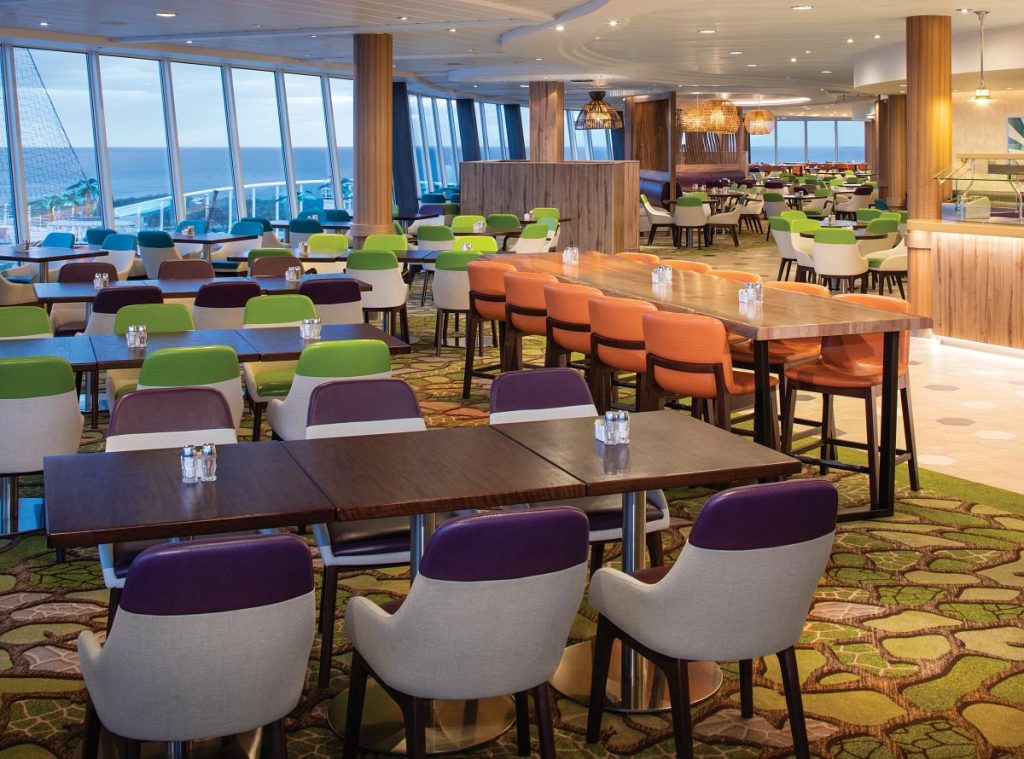
Norovirus can persist on hard surfaces — railings, buffet tongs, elevator buttons — for days, sometimes weeks, and it’s resistant to a lot of the disinfectants people assume work against it. Combine that with close living quarters, shared dining venues, and a few thousand people cycling through the same spaces on a fixed schedule, and you’ve got a near-perfect transmission environment. None of this is unique to ships — it’s the same reason norovirus tears through schools, cruise lines just happen to have mandatory federal reporting, which is why you hear about it.
Hand Sanitizer vs. Soap and Water: What the Data Actually Says
This is the piece of CDC guidance most people get wrong, and it’s the single most useful thing you can take from this article: hand sanitizer is not reliably effective against norovirus. Soap and water — actually scrubbing for a full 20 seconds — is what gets the virus off your hands. Sanitizer alone won’t. If you want a simple way to time it, the CDC’s own guidance is to hum “Happy Birthday” twice through, or just count slowly to 30. The old-fashioned option wins here. Keep sanitizer in your pocket for between sink visits, but soap and water is what you actually want to rely on aboard a ship.
What the CDC’s Vessel Sanitation Program Actually Does
The VSP isn’t just a reporting mechanism — it’s a full inspection and construction-standards program. Ships under VSP jurisdiction are inspected twice a year and scored on a 100-point scale covering everything from water systems to food handling to medical facility standards, and those standards influence how ships are actually built. It’s a more rigorous public health surveillance system than almost anything you’ll encounter on land — your neighborhood restaurant isn’t inspected with anywhere near this level of scrutiny or public transparency.
Staying Ahead of the Next Threat: Measles
Worth knowing, and a good example of the system working proactively rather than reactively: with 2026 on pace to be one of the worst U.S. measles years in decades — over 2,170 confirmed cases as of early July, driven largely by declining vaccination rates — the CDC issued specific guidance to cruise lines in March 2026 on detecting, isolating, and reporting suspected measles cases before they become shipboard outbreaks. There’s no confirmed measles case on a cruise ship in 2026 as of this writing. The guidance exists because public health works best when it’s ahead of a problem, not behind one — and that’s exactly the posture the VSP takes.
What Actually Protects You
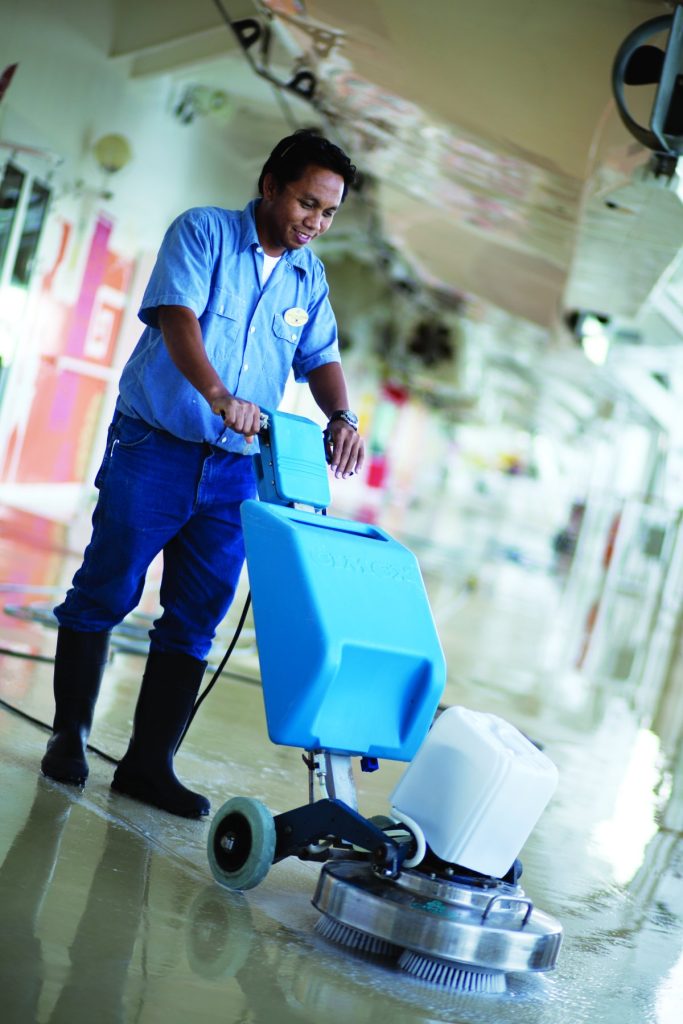
None of this requires you to change how you cruise. It requires a handful of habits that take almost no effort:
- Wash your hands with soap and water before eating, after using the restroom, and after touching high-contact surfaces like railings and elevator buttons — 20 seconds, not a quick rinse.
- Use hand sanitizer as a supplement between sink visits, not a substitute for washing.
- Report symptoms to the ship’s medical center immediately if you feel sick. That’s not just for your own care — it’s how outbreaks get caught early and contained, and it protects everyone else aboard. Keep in mind that onboard medical visits aren’t covered by your regular health insurance, which is exactly why I wrote Do You Really Need Travel Insurance for a Cruise?
- At the buffet, treat the serving tongs and spoons like any other high-contact surface — wash your hands again before you sit down to eat, especially if you touched more than one station. It’s a small habit that matters more than people think; I get into buffet-specific hygiene in more detail in the cruise ship buffet guide.
- Stay current on routine vaccinations, including MMR, before you travel. It’s cheap insurance against a growing risk, not just at sea but everywhere you’re headed.
Insider Tip: Ships log every reported illness by cabin and location, which is part of how outbreak investigations move so fast when something is caught early. If you or a cabinmate feel off, report it the moment symptoms start rather than waiting to see if it passes — you’ll get faster care, and you’ll be doing the rest of the ship a real favor.
Final Word on Norovirus on Cruise Ships
The data doesn’t support treating a cruise as a health gamble. It supports treating it the way you’d treat any environment where a few thousand people share space for a week: wash your hands like you mean it, pay attention to your own body, and trust that the reporting system that makes these outbreaks visible to you is the same system working to keep them small.
If something more serious ever comes up onboard, Cruise Ship Emergency Procedures covers what to expect.
Travel safe. Wash up, sit down, and eat well.
— Rick Hayes, Travel Safety Authority
Have questions about staying healthy and safe on your next cruise? Work with Rick for personalized guidance from a retired NYPD officer and cruise safety expert.
This article contains affiliate links. If you purchase, book, or make a reservation through a link on this page, I may earn a small commission at no additional cost to you. Affiliate relationships include but are not limited to Amazon Associates, Viator, RoamRight, and other travel and product partners. This does not influence my recommendations — I only link to products, services, and experiences I would genuinely recommend to my own clients. Travel insurance recommendations are provided for informational purposes only. I am not a licensed insurance agent. Please review all policy details carefully before purchasing. See my full Disclaimer for details.
The information in this article is provided for general educational purposes only and reflects the personal experience and professional background of the author. It is not a substitute for professional security consultation or official government travel guidance. Safety conditions at any destination can change rapidly — always verify current advisories at travel.state.gov before your trip. Reliance on any information in this article is at your own risk. This site may contain affiliate links; see the full Disclaimer for details.