The Ultimate Independent Cruise Shore Excursion Guide: Safety, Legal Realities, and Tactical Planning
Independent shore excursions are one of the most debated decisions in cruising, and most of the debate is built on half-truths. One camp will tell you booking outside the cruise line is reckless. The other camp will tell you the ship’s excursion desk overcharges and independent is always the smarter move. As a cruise safety expert and retired NYPD Anti-Terrorism officer, I can tell you both camps are missing the real question. This isn’t really about price or convenience — it’s about who’s on the hook, both for your safety and your wallet, if something goes wrong.
This guide covers what actually separates the two booking paths, the legal and financial realities behind each, how four ports — Nassau, Cozumel, St. Thomas, and Puerto Plata — really compare, and how to check out a tour company before you hand them your money. Three more articles go deeper on specific pieces of this: what shore excursion insurance actually covers, how medical care and local law actually work if something goes wrong ashore, and a step-by-step plan for port day itself. I’ll link to all three as they come up, and again at the end.
One note before we start: this is an investigative report, not a sales piece. Where a product or service genuinely helps, I’ll say so. Where it doesn’t, I won’t pretend otherwise.
The One Rule That Changes Everything
Before we discuss anything else, you need the single most important fact in this entire series, because it drives every other decision on a port day.
If your excursion is booked through the cruise line and it runs late, the ship will make every effort to wait for you. If the ship genuinely cannot wait any longer, the cruise line is responsible for getting you to the next port at its own expense. Royal Caribbean states this plainly in its published FAQ: booked guests are guaranteed that a delayed tour means “the ship will wait for you,” and if waiting becomes impossible, the line arranges your return to the ship at no cost to you. You can read the policy for yourself on Royal Caribbean’s official FAQ page — and the other major lines publish materially similar commitments for their own excursions.
If your excursion is booked independently — through a third-party operator, a booking marketplace, or arranged on your own — none of that applies. The ship sails at all-aboard time. If you’re not on it, you are entirely responsible for getting yourself to the next port: your logistics, your flights or ferries, your money. No reimbursement, no rescue, no exceptions written into any cruise contract I’ve ever read.
That doesn’t mean you should never book independently — it means you need a plan if you do. Everything else in this guide, and the whole shore excursion checklist, comes back to that one distinction.
What Is an Independent Shore Excursion?
An independent shore excursion is any port activity booked outside the cruise line — through a local tour company, a booking marketplace, or arranged directly. Unlike ship-sponsored tours, the cruise line has no obligation to wait if you’re late, and getting to the next port becomes your own responsibility and expense.
What My NYPD Years Taught Me About Port Days
I spent my NYPD career in the Anti-Terrorism Unit and Transit Special Operations, working Times Square, Penn Station, and Lower Manhattan’s tourist corridors. Here’s what that taught me, and it applies just as much to a cruise pier: put a lot of people who don’t know the area, carrying cash and cards, moving through one narrow spot twice a day on a fixed schedule — and you’ve built the perfect setup for someone looking to take advantage. That’s a cruise port, whether it’s Nassau’s Prince George Wharf or the gates outside Taíno Bay.
That doesn’t make these ports dangerous. It makes them predictable. The vendors working the crowd outside the ship — legitimate and otherwise — know exactly when you’re arriving, when you have to be back, and how little you actually know about where you’re standing. Every scam, every unlicensed taxi, every “special price just for you” is built on that gap.
Taking the Advantage Back
So here’s how you take that advantage back, and it doesn’t cost you anything: decide everything before you walk down the gangway. Know your all-aboard time in ship’s time, know how you’re getting around, know roughly what things should cost, and know who you’re meeting and where. A cruiser with a plan walks through that crowd without stopping. A cruiser without one stops to negotiate, stops to figure things out — and figuring things out on the fly in a port you don’t know is exactly when problems start.
That’s where Travel Safety Authority is different from most of what you’ll find online. A lot of cruise sites will tell you a scam or a risk exists and leave it there. Every article on this site pairs the problem with what to actually do about it — both ends: how to avoid it in the first place, and what to do if you’re already standing in it. Every risk I mention below comes with both halves of that.
Insider Tip: Before I handed money to anyone, whether I was on the job or off it, I always asked myself one question: if this goes wrong, who exactly is responsible, and how do I get in touch with them? Ask that of any tour company before you book with them. A legitimate business gives you a name, a phone number that actually gets answered, a physical address, and proof they’re licensed — without hesitating. If the answer is a guy standing near the pier with a laminated card, that’s your answer about what happens if something goes wrong, too.
Independent Shore Excursions vs. Ship-Sponsored: The Honest Comparison
Both booking paths are legitimate. The mistake is pretending either one is free of trade-offs.
What booking through the ship actually buys you
The ship-wait protection above is the big one, and it’s real. You also get some vetting done for you — Royal Caribbean Group’s own published tour operator agreement, for example, requires operators to document their safety vetting and carry insurance for specific tour categories, which tells you these aren’t handshake deals — plus somewhere to complain that’s thirty feet from the elevator if the tour turns out to be a disaster. Timing gets handled for you too, including the ship-time-versus-local-time trap that catches independent travelers every year. If you’ve never been to a port before, if you’re a first-time cruiser, if mobility is a concern, or if the port call is tight, these advantages are worth real money.
What it doesn’t buy you: a guarantee that the tour will be good, or that it’ll feel like anything other than a big group. Ship excursions often run forty or fifty people at a time, moving at the pace of the slowest person in the group. And here’s something most cruisers never read: even the ship’s own excursions are run by independent contractors, and the cruise lines say so in their own paperwork. Royal Caribbean’s shore excursion terms state plainly that excursions are run by independent contractors and sold by the line purely as a convenience, with the arrangements made at your own risk. I break down what that actually means for both booking paths in the insurance guide.
What booking independently actually buys you
Smaller groups, your own pace, tour companies and experiences the ship doesn’t offer, and often real savings. For a confident traveler in a port they already know, an independent day can beat anything on the ship’s excursion list.
What it costs you: the whole safety net. If your tour runs late, that’s on you now, not the cruise line. You’re doing your own vetting. If something goes wrong, what you get back depends entirely on the tour company’s own policies and whatever insurance you arranged yourself — which is exactly why the insurance guide exists. And staying on schedule becomes your job, not a detail you can ignore. The shore excursion checklist turns that into an actual list you can follow.
The myths on both sides
“The ship will never leave anyone” — not true. Captains will hold for ship-booked tours and sometimes give a few extra minutes to stragglers out of courtesy, but there’s no obligation to wait for independent travelers. You’ve probably seen the videos — cruisers call them “pier runners,” the ones sprinting down the dock at the last second because they stayed at the beach too long or had one too many and lost track of time. Those videos exist because it happens, and it happens regularly, all over the Caribbean.
“Independent tour companies are all unlicensed cowboys” — also not true. Plenty of independent operators are licensed, insured, certified by their own country’s tourism authority, and excellent at what they do. Most of them genuinely want you back on that ship on time and happy — their entire business runs on Yelp reviews, Google reviews, and word of mouth, and a bad outcome for you is bad for their bookings next week. What they can’t do is control traffic, weather, or a ferry that runs late, which means even the best, most well-intentioned independent operator can’t actually guarantee you’ll be back by all-aboard. The real answer is less dramatic than either myth: the booking path decides who’s stuck holding the bag if something goes wrong, and your job is knowing which one that is before you book.
The Four-Port Reality Check: Nassau, Cozumel, St. Thomas, Puerto Plata
I keep coming back to these four ports throughout this series because together they cover the real range of what Eastern, Western, and Southern Caribbean cruisers run into — including one that’s legally a completely different animal from the other three.
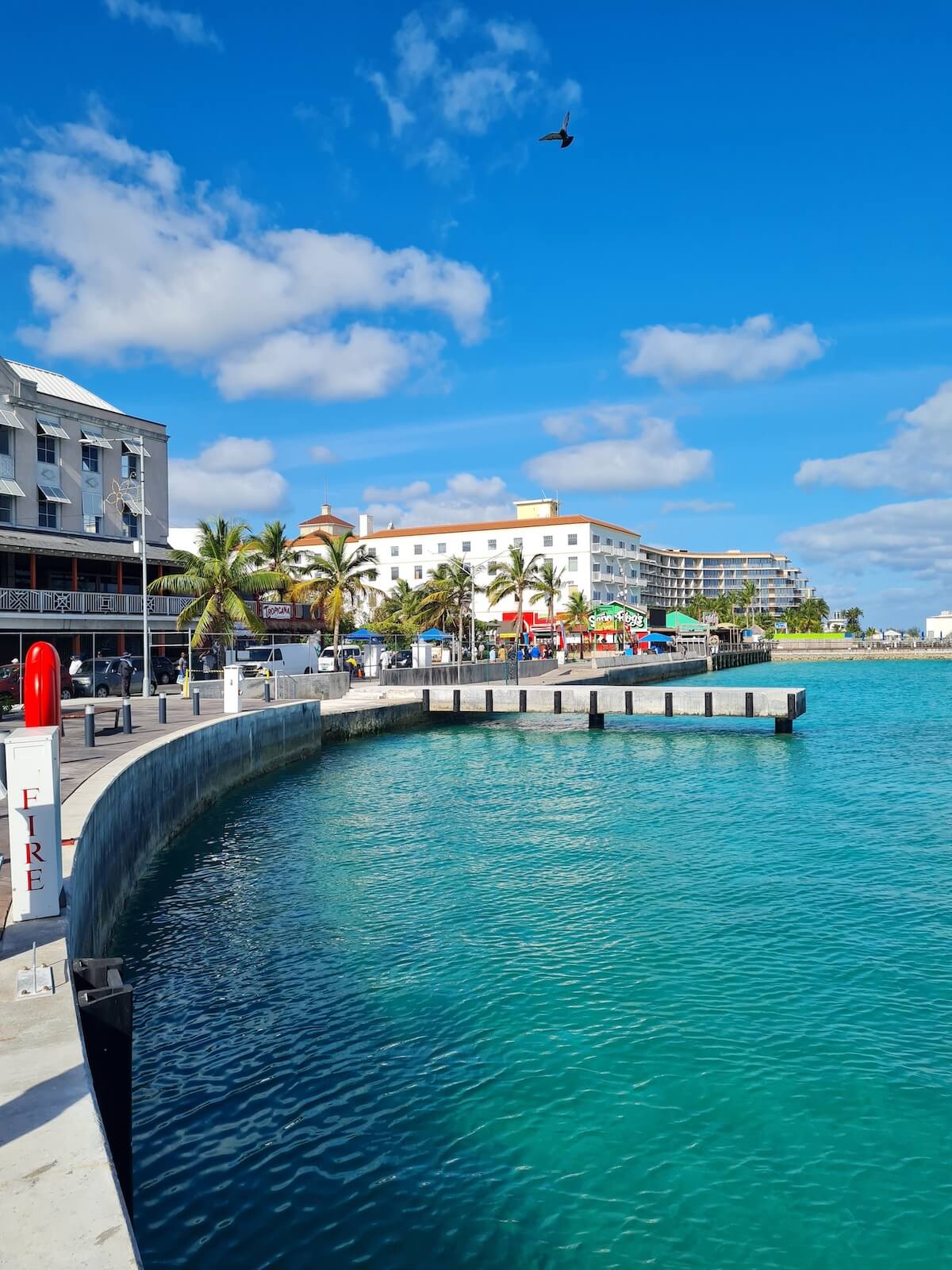
Nassau, Bahamas
The State Department currently rates the Bahamas Level 2 — exercise increased caution — and points to crime concentrated in parts of Nassau and Freeport. It also flags something that matters directly for excursions: boating and commercial watercraft activity isn’t consistently regulated, injuries and deaths have occurred, and there have been reported sexual assaults by jet ski operators. The advisory even bars U.S. government employees from renting jet skis from independent operators on New Providence and Paradise Island. Read the full Bahamas advisory yourself. The takeaway is simple: in Nassau, treat any watercraft rental as the one booking on your whole cruise that deserves the most scrutiny, or just book that category through the ship. I go deeper on Nassau’s ground truth in my Nassau port safety guide.

Cozumel, Mexico
Cozumel sits in Quintana Roo, which the State Department also rates Level 2. One resource in that advisory is genuinely worth knowing about: it recommends downloading the Quintana Roo government’s Guest Assist app, which gives you emergency numbers, legal help, and a way to file a complaint against a service provider — an official channel most cruisers have no idea exists. You’ll find the details in the Mexico advisory’s Quintana Roo section. Cozumel has been running cruise tourism for decades and has plenty of licensed, experienced tour companies; the vetting steps below apply here exactly as written.
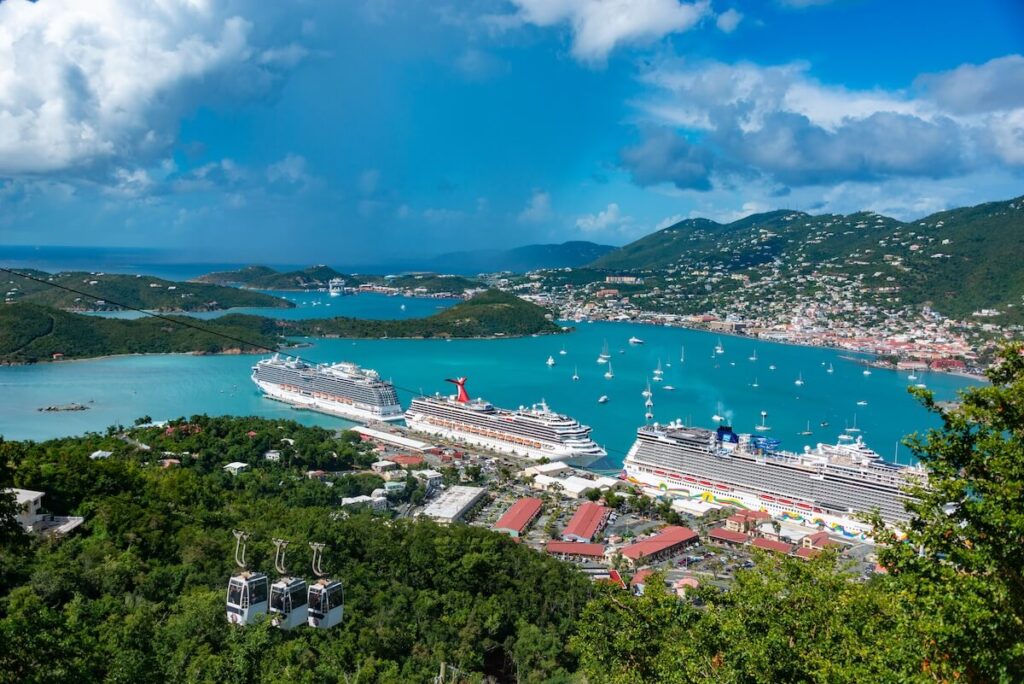
St. Thomas, USVI
Here’s the outlier: St. Thomas is United States territory. You haven’t left the country. 911 works, U.S. law applies, and the complications that come with a foreign emergency in Nassau or Puerto Plata mostly don’t exist here. That doesn’t change the ship-wait rule — miss the ship in Charlotte Amalie on an independent tour and you’re still paying your own way to the next island — but your legal standing and how you get emergency help are genuinely different. I cover the full comparison in my guide on medical emergencies in foreign ports.
Puerto Plata, Dominican Republic (Taíno Bay and Amber Cove)
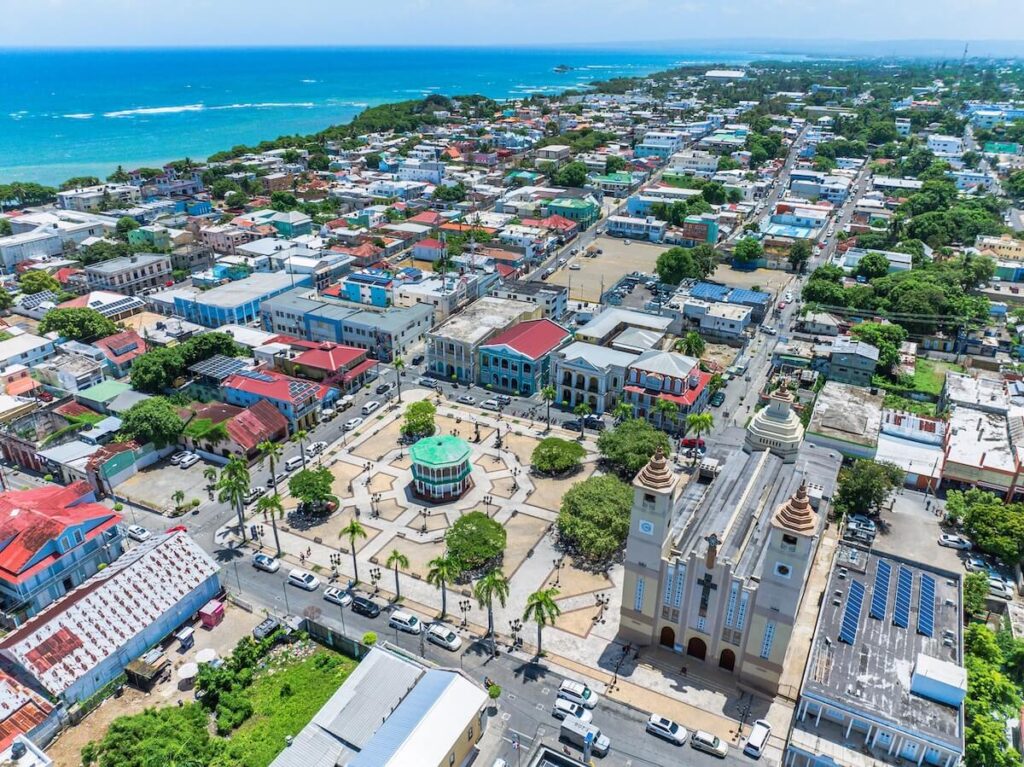
The DR carries a Level 2 advisory for crime, and the State Department’s own resources for the country tell you what’s actually there to help you: a 911 system, a tourist police force called POLITUR, and — genuinely useful for cruisers — a U.S. consular agency right in Puerto Plata. Read the Dominican Republic advisory before you sail. The two terminals work differently: Taíno Bay is basically downtown, walking distance to the historic district, while Amber Cove is a self-contained Carnival Corporation complex several miles outside the city — which means an independent plan at Amber Cove needs an actual transportation plan, not just a pair of walking shoes. Unofficial transportation shows up as a real, documented problem at both Nassau and Puerto Plata, and the shore excursion checklist covers exactly how to spot a licensed driver at each.
Notice what I’m not saying about any of these ports: that they’re dangerous. All four host millions of cruise visitors every year, and the overwhelming majority never have a problem. Everything above comes straight from official advisories — it’s not my opinion of these places. And the right response to all of it is the same: prepare, don’t avoid.
How to Check Out a Tour Company Before You Book
If you go independent, this replaces the vetting the cruise line would normally do for you. None of it takes more than an evening.
Check their license against the local system. Every one of these four ports has an official way to verify this: the Bahamas licenses taxis and tour companies directly, Quintana Roo runs the Guest Assist system, and the DR’s Ministry of Tourism certifies operators and runs POLITUR. Just ask the company directly what license or certification they hold and who issued it. A legitimate business answers that instantly — they’re proud of it.
Get everything in writing. Full business name, physical address, a phone number that actually gets answered, and — this is the important one — their policy, in writing, for what happens if they make you miss the ship. Some independent companies advertise a return-to-ship promise on their own. What that promise is actually worth, and what the fine print behind it usually says, is the whole subject of Shore Excursion Insurance: What It Actually Covers.
Covering Yourself Financially
Confirm insurance exists on both sides. Ask whether the company carries liability insurance that covers guests. Then take a look at your own travel insurance with this specific excursion in mind — activity exclusions are common, and that’s where claims fall apart. Reviewing a plan like the ones offered through RoamRight with your specific excursion activities in mind is a good next step.
Favor companies with a published cancellation and delay policy. This is the real argument for booking through an established marketplace instead of negotiating on the beach: a marketplace publishes its policies where you can actually read them before you pay.
Pay in ways that leave a record. A credit card transaction with a named business is evidence and leverage. Cash handed to an unnamed individual is a donation if things go wrong.
Insider Tip: If you’re heading to a port you’ve never seen before, book the ship’s excursion the first time and go independent on your next visit. That first trip teaches you the pier layout, how transportation actually works, and what the timing really feels like — with the cruise line’s safety net still under you. Most cruisers repeat itineraries more than they think; treat that first visit as your scouting trip.
More From This Series
This guide covers the big picture. These three articles get into the specifics:
Shore Excursion Insurance: What It Actually Covers — operator guarantees, marketplace protections, waivers, and travel insurance, and what the fine print typically says about each.
Medical Emergencies in Foreign Ports: What Happens and Who Can Help You — what actually happens if you need medical help ashore, why St. Thomas is legally different from Nassau, Cozumel, and Puerto Plata, and how getting evacuated really works.
Shore Excursion Safety: The Independent Excursion Checklist — a step-by-step plan for port day: buffers, staying in touch, spotting licensed transportation, and the payment scams to watch for.
The Bottom Line on Independent Shore Excursions
Independent shore excursions aren’t reckless, and they’re not automatically the smarter move either — booking independently just means the responsibility that used to sit with the cruise line now sits with you. Go in knowing that. Know the ship-wait rule cold, check out tour companies like it actually matters who you’re handing money to (because it does), tailor your plan to the specific port you’re in, and stick to the kind of schedule discipline the shore excursion checklist lays out. Do all that, and independent excursions become what they should be: more freedom, at a risk level you picked on purpose.
If you’re still weighing whether to book independently at all, start with my guide on how to spot a cruise port scam — the pier tactics covered there are the exact ones you’ll be watching for while you vet a tour company. And because the worst case deserves its own plan, read what to do if you miss your cruise ship before you ever need it.
Travel safe. Plan every port like a professional.
— Rick Hayes, Travel Safety Authority
Need an independent opinion on whether independent shore excursions are the right fit for your travel style? Visit the Work With Rick page to schedule a consulting session. I provide independent safety and travel planning guidance, with no booking commissions or sales incentives.
This article contains affiliate links. If you purchase, book, or make a reservation through a link on this page, I may earn a small commission at no additional cost to you. Affiliate relationships include but are not limited to Amazon Associates, Viator, RoamRight, and other travel and product partners. This does not influence my recommendations — I only link to products, services, and experiences I would genuinely recommend to my own clients. Travel insurance recommendations are provided for informational purposes only. I am not a licensed insurance agent. Please review all policy details carefully before purchasing. See my full Disclaimer for details.
The information in this article is provided for general educational purposes only and reflects the personal experience and professional background of the author. It is not a substitute for professional security consultation or official government travel guidance. Safety conditions at any destination can change rapidly — always verify current advisories at travel.state.gov before your trip. Reliance on any information in this article is at your own risk. This site may contain affiliate links; see the full Disclaimer for details.